Introduction
In the era of advanced communication technologies, consumers across Wisconsin and beyond are plagued by an onslaught of robocalls. These automated, often unwanted calls, have become a persistent nuisance, eroding consumer trust and wasting valuable time. The quest for a robust solution to combat this menace has led to the emergence of various applications aimed at stopping robocalls. This article delves into the most effective app for Wisconsin residents to halt these intrusive calls, exploring its features, impact, and future potential. Readers will gain a comprehensive understanding of how this technology works, its significance in personal privacy protection, and the broader implications for consumers and telecommunication providers alike.
Understanding Best-App-to-Stop-Robocalls-Wisconsin
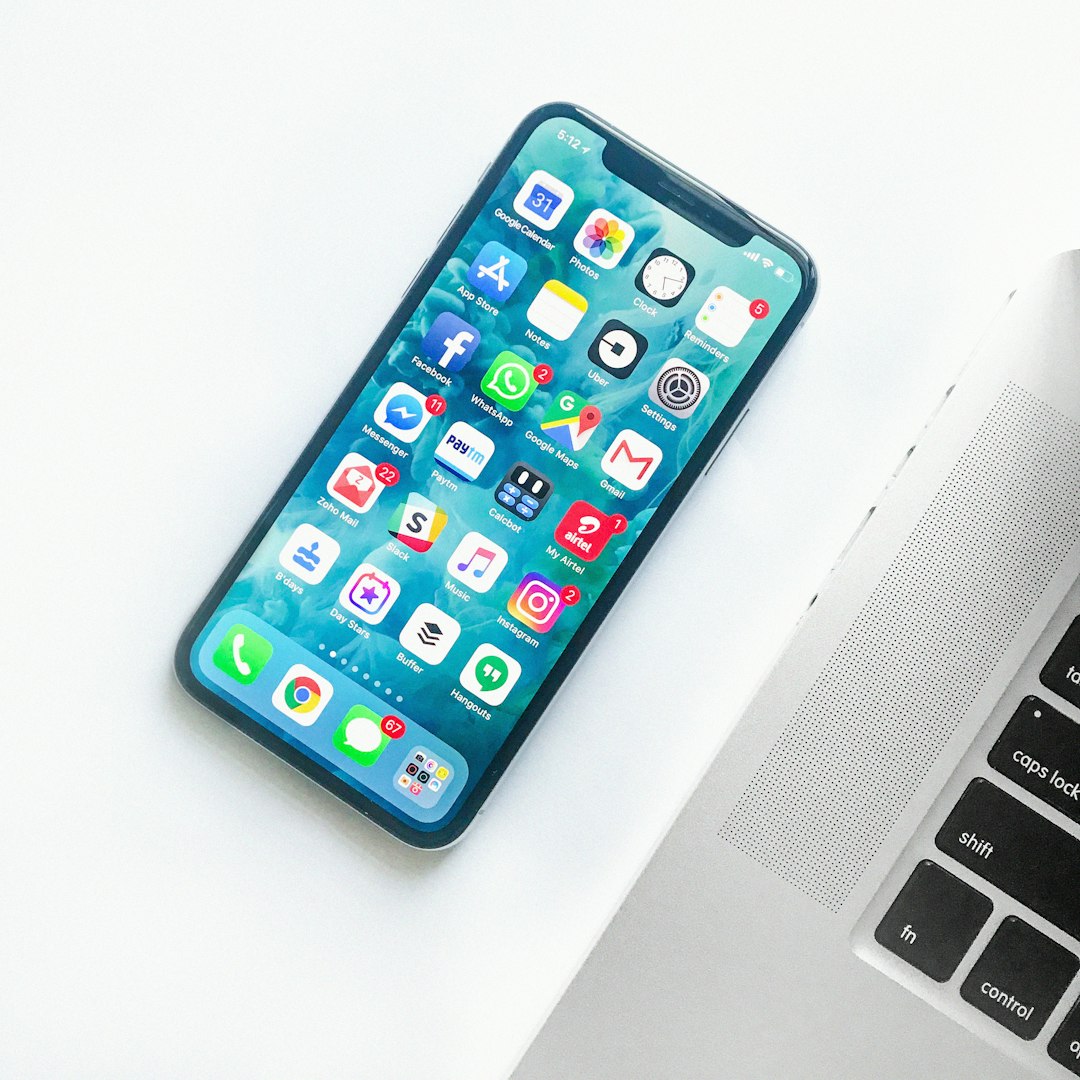
The "best-app-to-stop-robocalls-wisconsin" is a sophisticated application designed to detect, block, and report unwanted robocalls. It leverages a combination of technology and user feedback to create an adaptive system that evolves in its ability to filter out spam and fraudulent calls. This app's core components include advanced call recognition algorithms, a real-time reporting feature, and community-driven blacklisting mechanisms. Its historical context is rooted in the evolution of telecommunication technology and the increasing sophistication of telemarketing and scam operations.
Global Impact and Trends
The impact of unwanted robocalls extends beyond Wisconsin's borders, affecting consumers worldwide. The global trend shows a significant increase in the volume of these calls as fraudsters exploit technological loopholes for financial gain or to spread misinformation. Different regions are affected variably, with certain demographics more susceptible to these calls. For instance, areas with less stringent telecom regulations may experience higher levels of robocall activity. The global response to this issue has led to the development of international collaborations and regulatory frameworks aimed at curbing the menace of robocalls.
Economic Considerations
The economic implications of robocalls are multifaceted. On one hand, they represent a cost for consumers in terms of wasted time and potential financial losses from scams. On the other, they present an opportunity for legitimate businesses to engage with customers effectively by using similar technologies to reach them without intrusion. The market dynamics for anti-robocall apps are shaped by consumer demand for privacy and security, driving investment into technological solutions. These apps contribute to the economic ecosystem by offering a service that enhances consumer trust in the telecommunications industry and fosters a more secure digital environment.
Technological Advancements
The technology behind the best-app-to-stop-robocalls-wisconsin has evolved rapidly, incorporating machine learning and artificial intelligence to improve its ability to distinguish between legitimate calls and spam. These advancements have significantly improved the app's effectiveness in blocking robocalls, with success rates that continue to rise as algorithms learn from new data. Future potential includes integration with other security measures, such as two-factor authentication and secure messaging, creating a more robust ecosystem for protecting consumer privacy.
Policy and Regulation
In the United States, the Telephone Consumer Protection Act (TCPA) provides a regulatory framework to protect consumers from unwanted calls. The Federal Communications Commission (FCC) enforces these regulations, imposing fines on entities that violate them. At the state level, Wisconsin has specific regulations that complement federal policies. Anti-robocall apps must navigate this complex legal landscape to ensure compliance while effectively blocking illegal calls. The app's developers work closely with policymakers to shape regulations that benefit consumers and foster innovation in the field of telecommunications.
Challenges and Criticisms
The best-app-to-stop-robocalls-wisconsin faces several challenges, including the rapid evolution of scam tactics and the need to maintain user privacy. One significant criticism is that no app can guarantee 100% prevention of robocalls due to the dynamic nature of these schemes. To address these issues, developers are constantly updating their algorithms and features. Strategies such as user education, community engagement, and partnerships with telecom companies play crucial roles in enhancing the app's effectiveness.
Case Studies
Several case studies highlight the success of the best-app-to-stop-robocalls-wisconsin in various contexts. One notable example is a collaborative effort between the app and local law enforcement that led to the prosecution of a robocall scam operation. Another case study demonstrates how the app's integration with smartphone providers significantly reduced the number of robocalls reaching consumers. These successes underscore the importance of a multi-faceted approach to combating robocalls, combining technology with human intelligence.
Conclusion
The best-app-to-stop-robocalls-wisconsin represents a significant advancement in the fight against unwanted and often malicious robocalls. Its impact on consumer privacy, economic security, and telecommunications regulation is profound. As technology continues to evolve, so too will the strategies employed by both scammers and defenders of consumer rights. The ongoing development and refinement of this app promise a brighter future for Wisconsin residents and, indeed, consumers worldwide, as they navigate the complexities of modern communication with confidence and security.
FAQs
-
Is the best-app-to-stop-robocalls-wisconsin available for iPhone users?
Yes, it is compatible with iOS devices and can be downloaded from the App Store.
-
Can the app distinguish between legitimate robocalls and unwanted sales calls?
The app uses advanced algorithms to differentiate between various types of robocalls, blocking those that are deemed spam or fraudulent while allowing through legitimate calls.
-
Are there any costs associated with using this app?
The app is typically free to download and use, with optional premium features available for a subscription fee.
-
How does the app protect user privacy?
The app's developers prioritize user privacy by implementing end-to-end encryption and adhering to strict data handling policies.
-
What should I do if I receive a robocall that the app missed?
You can report the call directly within the app, contributing to its learning process and helping improve its filters for future calls.
-
Is my phone number visible to others when using this app?
No, your personal information is kept confidential. The app uses a proxy service to handle calls, ensuring that your actual phone number remains private.
-
Can the app prevent all robocalls from getting through?
While the app significantly reduces the number of robocalls, it cannot guarantee 100% prevention due to the sophisticated and ever-changing nature of scam tactics.
-
Does the app work with all wireless carriers?
The app is designed to be compatible with a wide range of wireless carriers, ensuring broad accessibility for users across different networks.
-
What happens if I mistakenly mark a call as spam?
The app allows you to easily correct such errors, and your feedback helps improve the accuracy of its filters.
-
Can the app be used internationally?
Yes, the app supports international numbers and can be used by consumers worldwide, not just in Wisconsin.
This comprehensive guide provides a clear understanding of the best-app-to-stop-robocalls-wisconsin and its significance in the modern telecommunications landscape. As technology continues to advance, so too will our ability to protect consumer privacy and security from unwanted robocalls.
December 28, 2025
best app to stop robocalls Wisconsin Expert
Wisconsin residents face persistent robocalls, but legal protections exist. The state's Do Not Call Registry and Telephone Consumer Protection Act (TCPA) curb unwanted telemarketing. Robocall Lawyer Wisconsin experts guide consumers through complaints, lawsuits, and blocking apps like TrueCall.......
Read more →
December 26, 2025
best app to stop robocalls Wisconsin Expert
Robocalls, protected by federal and Wisconsin state law, pose a growing problem for residents facing daily spam and scams. iPhone users can combat this with robocall blocking apps like TruthFinder, NoMo, and Hiya. Legal protection from a robocall lawyer in Wisconsin is crucial for navigating complex.......
Read more →
December 22, 2025
best app to stop robocalls Wisconsin Expert
Wisconsin residents face robocalls from Do Not Call law firms and others. Protection includes enrolling in national and state Do Not Call registries, using call-blocking apps and device settings, and reporting suspicious calls to authorities. Combining these strategies significantly reduces unwanted.......
Read more →
December 20, 2025
best app to stop robocalls Wisconsin Expert
Wisconsin residents face a robocall epidemic, prompting the use of advanced call-blocking apps like Hiya, TrueCall, NoMo, and CallGuard. These apps leverage AI and machine learning to identify and block spam, offering multi-layered protection against various call types. The state's Spam Call la.......
Read more →
December 18, 2025
best app to stop robocalls Wisconsin Expert
Robocall laws in Wisconsin protect residents from unwanted automated calls through the Do Not Call registry and TCPA regulations. Apps like TrueCall and Hiya use machine learning to block spam while offering customization. Top Android apps, such as Call Blocker Premium, adapt to evolving fraud techn.......
Read more →
December 16, 2025
best app to stop robocalls Wisconsin Expert
Robocalls are a significant issue in Wisconsin, with legal protections offered through Do Not Call laws and firms. Registration on the National Do Not Call Registry and app use (e.g., TruthFinder, NoCall List) are key to combating spam. Regularly update apps, review call logs, and consult legal expe.......
Read more →
December 14, 2025
best app to stop robocalls Wisconsin Expert
Robocalls, particularly telemarketing, fraud, and identity theft, are a significant problem in Wisconsin. The Telephone Consumer Protection Act (TCPA) provides protections against unsolicited automated calls. Consumers can register on the National Do Not Call Registry and use blocking apps like True.......
Read more →
December 11, 2025
best app to stop robocalls Wisconsin Expert
Robocall Laws Wisconsin aim to balance marketing with individual control, regulating caller ID, do-not-call registries, and promotional robocalls, especially in financial services. Residents can reduce robocalls by registering on the state list. Businesses must obtain explicit consent. Advanced call.......
Read more →
December 10, 2025
best app to stop robocalls Wisconsin Expert
Robocalls are a pervasive issue in Wisconsin, impacting quality of life and causing financial losses. Robocall Attorney Wisconsin experts help residents understand their rights under the Telephone Consumer Protection Act (TCPA), pursue legal action against violators, and advocate for stricter regula.......
Read more →
December 8, 2025
best app to stop robocalls Wisconsin Expert
Wisconsin residents face a surge of robocalls, prompting the use of blocking apps like Norton and LifeLock. While useful, these apps must be accompanied by legal knowledge to avoid blocking essential calls. The Telephone Consumer Protection Act (TCPA) offers strong protection against unsolicited mar.......
Read more →