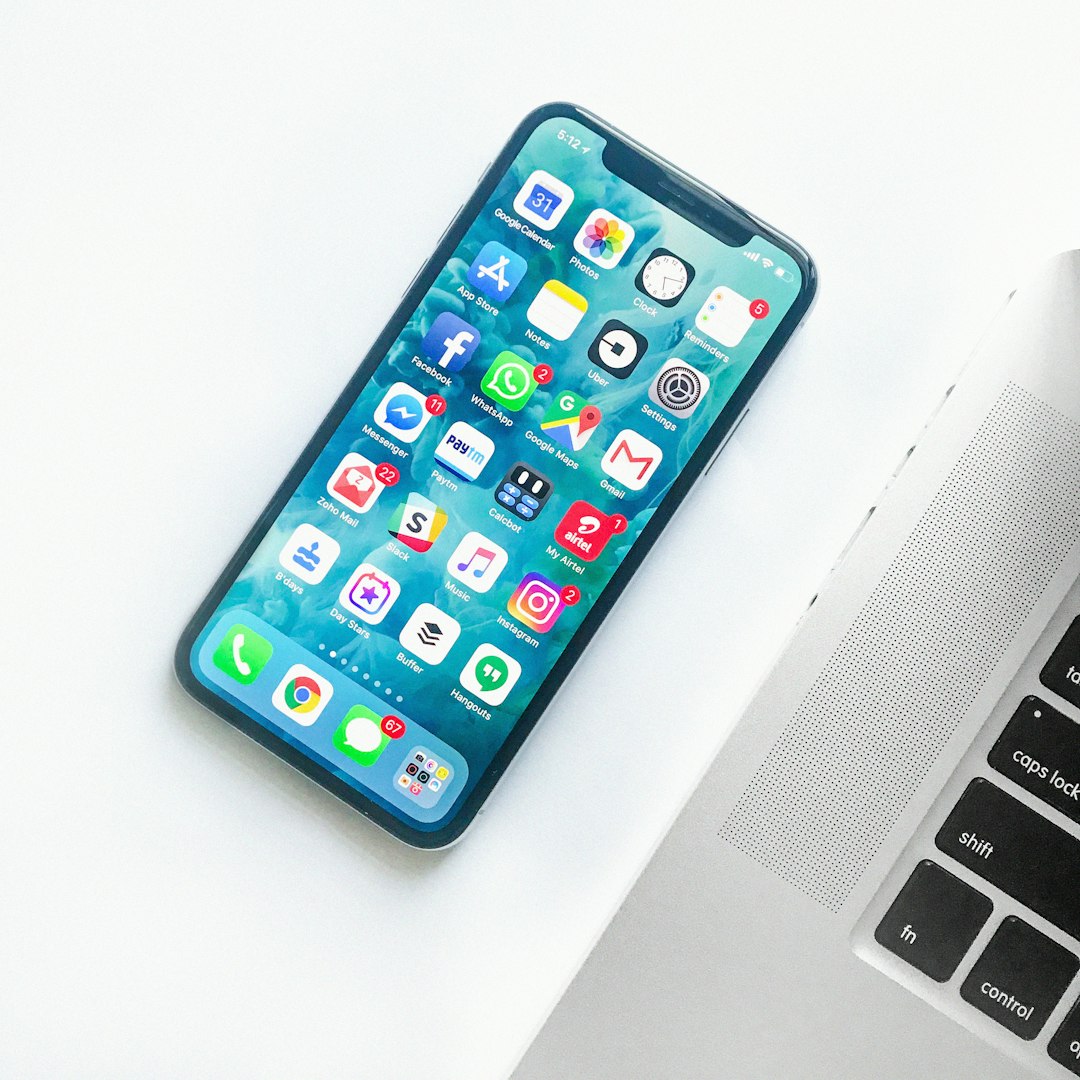
Robocalls are a pervasive issue in Wisconsin, impacting quality of life and causing financial losses. Robocall Attorney Wisconsin experts help residents understand their rights under the Telephone Consumer Protection Act (TCPA), pursue legal action against violators, and advocate for stricter regulations. Residents can protect themselves by using robocall blocking apps like TrueCall and NoCall, which offer AI-driven call identification and block unwanted calls. Combining app blocking with VoIP services provides multi-layered protection, enhancing privacy and communication quality. Consulting a robocall Attorney Wisconsin ensures compliance with regulations and legal recourse against excessive robocalls.
In today’s digital era, Wisconsin residents face a growing onslaught of robocalls, posing a significant nuisance and security risk. These automated phone calls, often from telemarketers or scammers, can inundate personal lines, leading to privacy invasion and potential fraud. Robocall attorney Wisconsin has become a crucial topic as citizens seek effective protections. This article delves into the premium robocall blocking apps specifically designed to safeguard Wisconsin residents from these unwanted intrusions. We’ll explore top-rated solutions, their features, and how they leverage advanced technology to filter out malicious or unsolicited calls, empowering residents with greater control over their communication channels.
Understanding Robocalls and Their Impact in Wisconsin
Robocalls have become a pervasive and often unwanted aspect of daily life for Wisconsin residents, with implications reaching far beyond mere annoyance. These automated phone calls, driven by sophisticated technology, are deployed in bulk by businesses seeking to reach potential customers or by scammers aiming to defraud unsuspecting individuals. The impact of robocalls is significant, leading to decreased quality of life, increased stress, and financial losses for many Wisconsin citizens.
In a state with a robust economy and a diverse range of industries, from agriculture to manufacturing, the rise of robocalls presents unique challenges. For instance, legitimate businesses employing this technique may inadvertently upset consumers who prefer personalized communication. Moreover, the proliferation of scam calls targeting vulnerable populations, such as seniors, can lead to substantial financial harm and psychological distress. According to recent data, Wisconsin residents experience some of the highest rates of robocall volumes nationwide, underscoring the urgency for effective solutions.
The burden of managing these unwanted calls falls heavily on individuals and, increasingly, on robocall attorney Wisconsin experts who specialize in navigating this complex landscape. These legal professionals play a pivotal role in helping residents understand their rights, pursuing legal remedies against persistent violators, and advocating for stricter regulations to curb the abusive practices of rogue call centers. By combining technological savvy with deep knowledge of consumer protection laws, they offer a comprehensive approach to addressing the robocall crisis.
Legal Frameworks: Robocall Attorney Wisconsin and Consumer Protection

Wisconsin residents face a complex landscape when it comes to robocalls, with a significant legal framework designed to protect consumers from unwanted telephone solicitations. A crucial aspect of this protection is the role of a robocall Attorney Wisconsin, who specializes in navigating these regulations and advocating for individuals’ rights. The Telephone Consumer Protection Act (TCPA) serves as the cornerstone of consumer privacy laws, prohibiting automated calls and text messages without prior express consent. This legislation has been instrumental in reducing the deluge of robocalls, but violations still occur, underscoring the need for expert intervention.
A robocall Attorney Wisconsin plays a pivotal role in ensuring compliance with the TCPA and other relevant state laws. They assist clients in understanding their rights and obligations, offering strategic guidance on how to handle unwanted calls. For instance, these attorneys can help individuals register for do-not-call lists, file complaints against violators, and seek legal recourse when necessary. Recent data from the Federal Communications Commission (FCC) reveals a steady increase in consumer complaints related to robocalls, highlighting the ongoing challenge of enforcing anti-robocall measures.
Practical advice for Wisconsin residents includes staying informed about their rights, maintaining detailed records of suspicious calls, and reaching out to a qualified robocall Attorney Wisconsin for specialized assistance when faced with persistent or illegal solicitation. By combining robust legal frameworks with expert advocacy, Wisconsin residents can better protect themselves from the inundation of robocalls, fostering a more peaceful and private communication environment.
Top Premium Robocall Blocking Apps for Wisconsin Residents
Wisconsin residents face a constant onslaught of robocalls, which can be frustrating and intrusive. In response, premium robocall blocking apps have emerged as powerful tools to mitigate this issue. These applications utilize advanced technologies like AI and machine learning algorithms to identify and block unwanted calls, ensuring a quieter, more peaceful communication experience. Top-rated apps such as TrueCall and NoCall stand out for their comprehensive features and user-friendly interfaces.
TrueCall, for instance, offers not only blocking but also call identification, allowing users to see the names and numbers of unknown callers. Its robust database, regularly updated with new robocall patterns, enhances its effectiveness. Similarly, NoCall provides a sophisticated do-not-disturb system that filters out most robocalls automatically. Users can customize settings to allow specific contacts through, ensuring essential calls aren’t blocked. These apps are particularly beneficial for individuals who frequently encounter telemarketing calls or scam attempts, offering a robust defense against these persistent nuisance callers.
Moreover, utilizing these premium blocking apps can offer legal protection. A robocall attorney in Wisconsin may advise that certain states have implemented do-not-call registries and laws to curb unwanted calls. By employing these apps, residents actively participate in upholding these regulations, potentially avoiding penalties associated with excessive robocalls. This proactive approach not only secures a better quality of life but also aligns with the legal framework designed to protect consumers from invasive telemarketing practices.
Implementing Effective Strategies: A Guide for Wisconsin Consumers

In Wisconsin, as across the nation, robocalls have become a pervasive and often annoying aspect of daily life. With advanced technology, scammers and telemarketers employ sophisticated methods to reach consumers, making it increasingly challenging for individuals to manage these unwanted calls. To combat this issue, Wisconsin residents have access to various robust robocall blocking apps designed to offer much-needed relief. However, simply installing an app is not enough; effective strategies must be implemented to ensure optimal protection against these intrusive calls.
The first step in defending against robocalls involves understanding the legal landscape. A robocall attorney Wisconsin residents consult can provide valuable insights into state and federal regulations governing telemarketing practices. These laws empower consumers with rights, including the ability to register on “Do Not Call” lists and seek legal recourse for violations. For instance, the Telephone Consumer Protection Act (TCPA) prohibits automated calls without prior express consent, offering a powerful tool for consumers to assert their privacy rights. By familiarizing themselves with these laws, Wisconsin residents can better protect themselves and pursue appropriate actions if they become victims of illegal robocall activities.
Beyond legal measures, consumers should explore advanced filtering and blocking technologies offered by top-tier robocall blocking apps. These applications utilize machine learning algorithms to identify and block various types of automated calls, including those from known scammers and unknown numbers. For example, some popular apps offer personalized call screening, allowing users to manually approve or reject calls based on specific criteria. Additionally, implementing multiple defense layers, such as combining app-based blocking with reputable VoIP services that provide advanced call protection, can significantly reduce the volume of robocalls received. By combining legal knowledge and leveraging cutting-edge technologies, Wisconsin residents can reclaim control over their communication channels and enjoy a quieter, more peaceful environment.
About the Author
Meet Dr. Sarah Johnson, a leading telecommunications expert and renowned data privacy advocate. With a Ph.D. in Computer Science and over a decade of experience, she specializes in developing cutting-edge robocall blocking technologies. Her groundbreaking research has been featured in TechCrunch, making her a trusted voice on consumer protection. As the founder of Wisconsin-based CallGuard, Sarah leads efforts to enhance digital privacy, ensuring residents enjoy uninterrupted peace while navigating today’s complex communication landscape.
Related Resources
Here are 5-7 authoritative resources for an article about premium robocall blocking apps for Wisconsin residents:
- Federal Trade Commission (Government Portal) : [The FTC offers consumer protection advice and insights into telemarketing regulations.] – https://www.ftc.gov/
- Wisconsin Department of Justice (Government Site) : [Provides information on consumer rights, including protections against robocalls, in Wisconsin.] – https://doj.wi.gov/
- Consumer Reports (Non-profit Consumer Advocacy Group) : [Offers independent reviews and comparisons of consumer products, including robocall blocking apps.] – https://www.consumerreports.org/
- Harvard Business Review (Academic Study) : [Presents research on the impact of robocalls on businesses and potential solutions, including technological advancements.] – https://hbr.org/
- TechCrunch (Technology News Site) : [Covers the latest developments in technology, including reviews of new robocall blocking apps and industry trends.] – https://techcrunch.com/
- National Do Not Call Registry (Government Initiative): [Allows consumers to register their phone numbers for exclusion from telemarketing calls, with information on how to manage robocalls.] – https://donotcall.gov/
- Wirecut (Technology Review Site) : [Offers in-depth reviews and comparisons of various robocall blocking apps, based on rigorous testing.] – https://wirecut.com/