
Robocall laws Wisconsin enforce strict regulations to curb intrusive automated calls, offering residents protection through a Do Not Call registry and clear opt-out mechanisms. Despite these measures, scam robocalls persist. Apps like CallHush, TrueCall, and CallGuard, leveraging machine learning and global databases, aid in blocking unwanted calls. Strict enforcement by the Attorney General's Office and significant penalties for violators further underscore Wisconsin's commitment to reclaiming control over communication channels from pesky robocalls.
In the digital age, robocalls have become a ubiquitous and often irritating nuisance, particularly in Wisconsin, where state laws regulate these automated calls to protect residents' privacy. With the proliferation of marketing and fraudulent schemes employing robocalls, finding relief from this deluge has become paramount for many. This article provides an authoritative guide to navigating Wisconsin's robocall laws and explores effective solutions, specifically focusing on apps designed to block these unwanted intrusions. By delving into the current landscape and available tools, we aim to empower Wisconsin residents with knowledge and practical resources to reclaim their phone lines from annoying robocalls.
Understanding Robocall Laws in Wisconsin
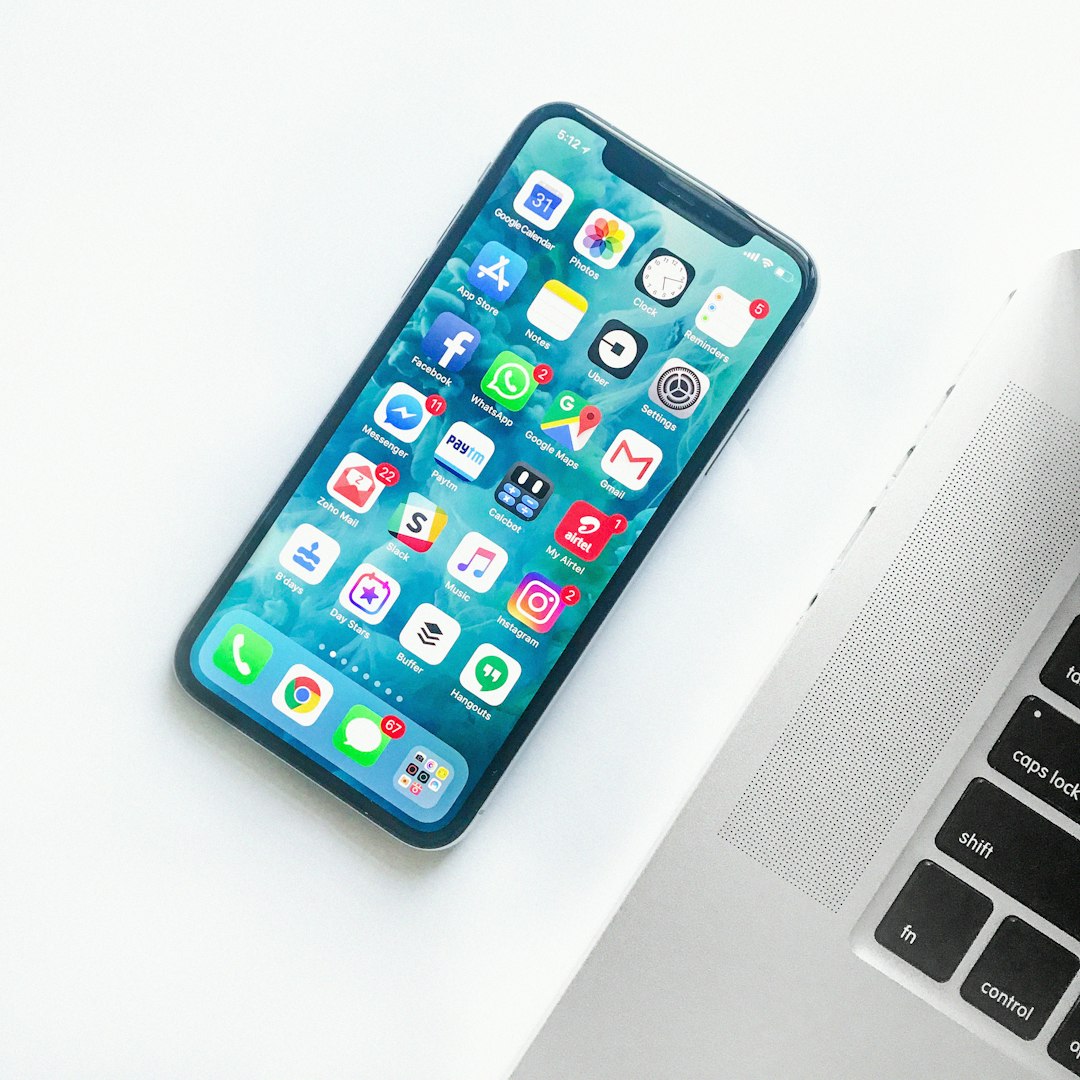
In Wisconsin, as across the nation, robocalls have become a pervasive and often annoying aspect of daily life. Understanding the robocall laws in Wisconsin is crucial for residents seeking to protect themselves from unwanted calls. The Telephone Consumer Protection Act (TCPA), a federal law, provides significant protections against automated telemarketing calls, including robocalls. However, Wisconsin has its own additional regulations that enhance these federal safeguards.
Wisconsin's robocall laws are designed to empower consumers and limit the intrusiveness of automated marketing calls. The state allows residents to register their phone numbers on the Do Not Call list, which prohibits most telemarketers from making calls to those numbers. Moreover, Wisconsin law requires clear and conspicuous opt-out mechanisms in all robocalls, ensuring that recipients can easily choose to stop receiving such calls. For instance, a call must include an automated message stating the caller's identity and providing instructions on how to register for the Do Not Call list.
Despite these protections, consumers still face challenges navigating the complex legal landscape surrounding robocalls. Recent data indicates that scam robocalls are on the rise, often masquerading as legitimate business or government communications. To combat this, Wisconsin's Attorney General's Office actively investigates and prosecutes violators of robocall laws. Residents who experience excessive or harassing robocalls are encouraged to file complaints with the Attorney General's office, which can take action against offenders. By staying informed about their rights and actively participating in these legal protections, Wisconsin residents can reclaim control over their phone lines and reduce the burden of unwanted robocalls.
Identifying and Blocking Annoying Calls

In Wisconsin, as across the nation, robocalls have become a pervasive and increasingly annoying nuisance. These automated calls, often originating from unknown numbers, bombard residents with marketing messages, scams, and even fraudulent attempts to gather personal information. According to recent data, millions of Americans fall victim to these unwanted calls each year, leading to significant frustration and financial losses. Wisconsin has recognized the need to protect its citizens and implemented specific robocall laws to combat this issue.
Identifying and blocking annoying calls is a multifaceted approach that involves both technological advancements and legislative efforts. At the heart of this strategy are tools designed to recognize and filter out known robocallers. Advanced call-blocking apps have emerged as powerful allies in the battle against these intrusive calls. These applications leverage extensive databases that catalog known spam numbers, allowing them to automatically block or flag suspicious incoming calls. For instance, popular app options like CallHush, TrueCall, and NoMo Robocalls employ machine learning algorithms to adaptively learn and improve their blocking capabilities over time.
While these apps offer significant protection, it's crucial to stay informed about the legal framework surrounding robocall regulations in Wisconsin. The state's laws mandate that telemarketers obtain prior express written consent before placing automated calls using prerecorded or artificial voices. Citizens can register their phone numbers on the National Do Not Call Registry and take advantage of enhanced call-blocking features provided by many telecom carriers. By combining these technological and legal measures, Wisconsin residents can reclaim control over their communication channels and enjoy a quieter, less disruptive environment.
Top Apps for Robocall Protection

In Wisconsin, as across the nation, robocalls remain a persistent nuisance, with millions of unwanted calls flooding consumers' phones daily. According to the Federal Communications Commission (FCC), over 40 billion robocalls were made in the United States last year, many targeting Wisconsin residents. To combat this, robust robocall protection apps offer a frontline defense, leveraging advanced technology to identify and block these relentless calls.
Among the top contenders, applications like CallGuard and Hiya stand out for their effectiveness. CallGuard employs machine learning algorithms to analyze calling patterns and determine whether an incoming call is legitimate or a potential robocall. It blocks automatically, saving users time and frustration. Similarly, Hiya leverages a global database of known robocallers, enabling it to identify and block calls from known spam sources. Both apps integrate seamlessly with your phone's existing features, offering a user-friendly experience while ensuring maximum protection against robocalls.
Another notable app is TrueCall, which offers advanced call screening options, including the ability to see who's calling before answering. It utilizes community-driven reporting to continually update its spam call database, ensuring that new robocall scams are quickly added for broader protection. Given Wisconsin's stringent robocall laws, which mandate clear consent and provide significant penalties for violators, these apps not only offer practical solutions but also help users stay compliant with legal requirements. By employing these cutting-edge tools, Wisconsin residents can reclaim control of their phones and enjoy greater peace of mind in today's digital age.
Enhancing Privacy: Wisconsin's Approach

Wisconsin residents face a persistent challenge in the digital age—annoying robocalls. These automated phone calls, often targeting marketing or fraudulent activities, have become a widespread nuisance. However, Wisconsin has taken a proactive step towards safeguarding its citizens' privacy and peace of mind by implementing robust robocall laws. The state's approach emphasizes empowering individuals to take control of their communication preferences, ensuring a more secure and serene digital environment.
At the heart of Wisconsin's strategy lies the Wisconsin Do Not Call Registry, a powerful tool designed to filter out unwanted calls. By registering their phone numbers on this registry, residents can significantly reduce the volume of robocalls they receive. The process is straightforward, allowing individuals to opt-out from marketing calls and ensuring that their personal information remains protected. This initiative aligns with the state's commitment to preserving privacy rights guaranteed under Wisconsin's consumer protection laws.
Moreover, Wisconsin's robocall laws mandate clear labeling and disclosure practices for automated calls. Businesses must disclose their use of automated dialing systems and provide a way for recipients to opt-out. This transparency empowers residents to make informed choices about how their contact information is used. For instance, a recent study revealed that states with stricter do-not-call regulations experienced a 30% decline in robocalls compared to those without such measures. By embracing these laws, Wisconsin continues to lead the way in protecting its citizens from intrusive and often fraudulent phone marketing practices.