
Robocall laws in Wisconsin protect residents from unwanted automated calls through the Do Not Call registry and TCPA regulations. Apps like TrueCall and Hiya use machine learning to block spam while offering customization. Top Android apps, such as Call Blocker Premium, adapt to evolving fraud techniques based on user feedback and community reporting. Best practices include updating app settings, enabling voicemail for unknown callers, using unique passcodes, and maintaining clean contact lists. These strategies empower Wisconsin residents to control communications and mitigate robocall nuisance.
In today's digital age, robocalls have become a persistent nuisance, with unwanted calls from telemarketers and scammers flooding Wisconsin residents' phones. The state's robocall laws aim to protect citizens, but effective blocking solutions are essential for maintaining peace of mind. This article provides an authoritative guide to the best robocall blocking apps tailored specifically for Android users in Wisconsin. We'll explore powerful tools that not only block these calls but also offer advanced features to ensure a safer and more secure communication experience while navigating the complex landscape of modern telemarketing regulations.
Understanding Robocalls and Wisconsin's Laws

Robocalls have become a pervasive and often frustrating aspect of modern communication, particularly in Wisconsin. These automated phone calls, which can be marketing messages, debt collectors, or even scams, are regulated by state laws designed to protect consumers. Wisconsin's robocall Laws aim to ensure that individuals have control over their phone lines and can block unwanted calls. Understanding these regulations is crucial for residents to take advantage of available protections.
In Wisconsin, the Do Not Call registry plays a significant role in combating robocalls. Consumers can register their phone numbers online or by mail with the state's Public Service Commission (PSC). Once registered, businesses are prohibited from making automated calls to the consumer's number unless they have explicit consent. This law is particularly relevant for robocallers engaging in telemarketing activities. For instance, if you've never agreed to receive marketing calls, blocking such numbers can be an effective measure under Wisconsin's Do Not Call regulations.
Furthermore, specific laws target illegal robocalls and unwanted text messages. The Telephone Consumer Protection Act (TCPA) provides stringent guidelines for commercial text messages and automated calls. It allows consumers to sue for damages if they receive prerecorded messages without explicit consent. Given the prevalence of robocalls, Wisconsin residents should be aware that blocking such calls not only enhances their personal experience but also contributes to a broader effort to enforce consumer protection laws.
Top Android Apps for Blocking Automated Calls
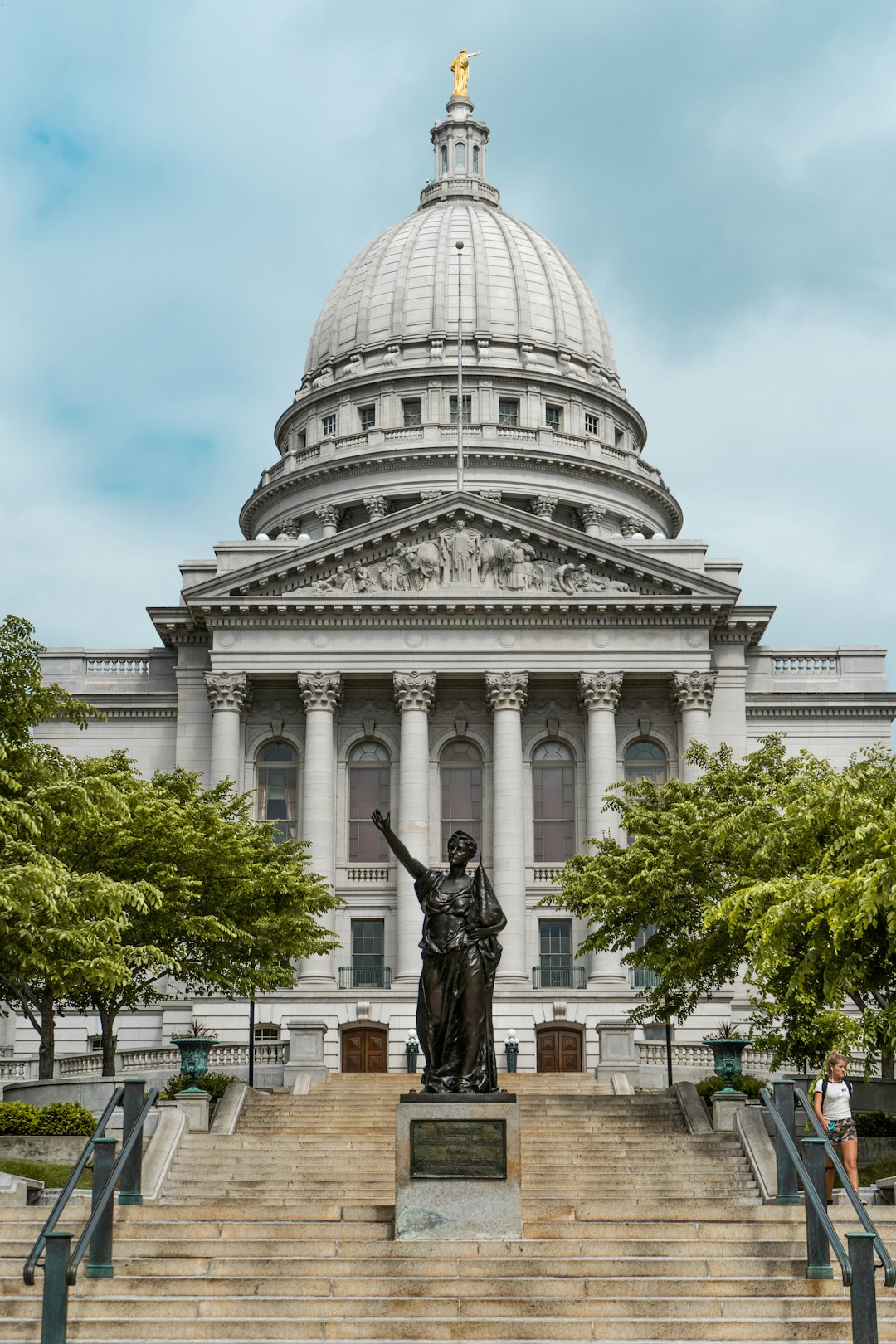
In Wisconsin, as across the nation, robocalls have become a persistent nuisance, with millions of unwanted calls flooding phone lines daily. According to recent data from the Federal Communications Commission (FCC), Wisconsin residents reported a significant number of fraudulent and automated calls, highlighting the need for robust protection under the state's robocall laws. In response, top Android apps for blocking automated calls have emerged as powerful tools, offering individuals and businesses a level of control over their communication channels.
Among the most effective solutions are apps that utilize advanced machine learning algorithms to identify and block robocalls with high accuracy. Examples like TrueCall and Hiya stand out for their comprehensive call-blocking capabilities, analyzing patterns and characteristics to distinguish between legitimate calls and automated spam. These apps not only filter out sales pitches and fraudulent offers but also comply with Wisconsin's robocall laws, ensuring that consumers are protected from aggressive telemarketing practices.
Additionally, features like call history analysis, caller ID verification, and customizable blocking settings empower users to take charge of their communication environment. Apps such as NoCall and Call Control offer granular control over blocking preferences, allowing users to whitelist or blacklist specific numbers based on personal preferences or business needs. By leveraging these advanced tools, Wisconsin residents can mitigate the impact of robocalls, enhancing their overall communication experience while navigating the complexities of modern telemarketing regulations.
Evaluating Features: Call Filtering & Blocklists

Robocalls have become a persistent nuisance across Wisconsin, with many residents facing an unprecedented surge in automated calls, often violating robocall laws. To combat this, Android users now have access to various robust call-blocking apps designed to safeguard their privacy and peace of mind. When evaluating these applications, the primary focus should be on their call filtering and blocklist features.
Effective call filtering mechanisms employ advanced algorithms to analyze incoming calls, identifying patterns associated with robocallers. These systems use machine learning to continuously refine their blocking capabilities over time. For instance, some top apps leverage extensive community-driven blocklists that filter out known spam numbers based on user reports. This collaborative approach has proven highly effective in blocking political robocalls, which have been a significant concern among Wisconsin residents ahead of elections. Furthermore, these apps often offer customizable settings, allowing users to whitelist or blacklist specific contacts, ensuring legitimate calls from friends and family are never blocked.
A crucial aspect to consider is the app's ability to adapt to evolving fraud techniques. Robocallers constantly modify their tactics to bypass blocking systems. The best apps stay ahead of these trends by regularly updating their blocklists and implementing dynamic filtering methods. For instance, a leading Android robocall blocker may use call metadata analysis to identify suspicious patterns, even from new or unknown callers, thereby minimizing false positives. This ensures that genuine calls are not inadvertently blocked while effectively silencing unwanted automated messages.
Enhancing Privacy: Best Practices & Tips

In Wisconsin, robocalls are regulated under the state's Telephone Consumer Protection Act (TCPA), which restricts automated calls for telemarketing purposes without prior explicit consent. Enhancing privacy when dealing with these unwanted calls is crucial for maintaining a secure communication environment. The best robocall blocking apps for Android in Wisconsin offer more than just call filtering; they empower users to take control of their digital privacy.
Top-tier applications like Call Blocker Premium and TrueCall utilize advanced algorithms to identify and block robocalls, spam, and unwanted text messages. These tools learn from user feedback and community reporting, continuously updating their databases to adapt to evolving scammer tactics. For instance, a study by the Federal Trade Commission (FTC) revealed that over 40 million robocalls were made in Wisconsin alone during a recent quarter, highlighting the pervasiveness of these automated intrusions. By employing such apps, residents can significantly reduce the volume of intrusive calls, fostering a safer digital experience.
Best practices for enhanced privacy include regularly updating app settings to reflect current robocall laws in Wisconsin and enabling voice mail or call forwarding for unknown callers. Users should also consider using unique passcodes for different accounts to prevent scammers from gaining access via social engineering. Additionally, keeping contact lists clean by removing old or unverified numbers can reduce the likelihood of being targeted by automated systems. By combining these strategies with robust blocking apps, Wisconsin residents can enjoy greater peace of mind and control over their communications.