Robocalls are a significant issue in Wisconsin, prompting state laws like the TCPA to protect consumers. Residents can file complaints or take legal action against violators, including consulting a robocall attorney Wisconsin for guidance on rights and options. Effective strategies include enrolling in the National Do Not Call Registry, using blocking apps like TrueCall and Hiya, and refining contact lists. These measures, combined with legal protection from robocall attorneys, offer robust defense against unwanted automated calls.
In today’s digital age, robocalls have become a ubiquitous and often annoying aspect of daily life for Wisconsin residents. These automated calls, designed to deliver pre-recorded messages or solicitations, can be intrusive and frustrating, leading many to seek effective solutions to protect their privacy and peace of mind. As a trusted source of information, this article delves into the world of robocall prevention apps specifically tailored for Wisconsin. We explore top-rated applications that employ advanced technologies to block these unwanted calls, empowering folks to reclaim control over their communications and enjoy a quieter, more satisfying experience.
Understanding Robocalls in Wisconsin: Laws and Rights

Robocalls have become a ubiquitous yet unwanted aspect of daily life for many Wisconsin residents. These automated phone calls, often delivering pre-recorded messages or marketing content, can be particularly invasive when they are unsolicited. In Wisconsin, as in many other states, laws exist to protect consumers from these nuisance calls, but understanding one’s rights and the legal framework surrounding robocalls is crucial.
Wisconsin has enacted various measures to curb excessive robocalling. The state’s laws, including the Telephone Consumer Protection Act (TCPA), grant residents specific protections against unwanted phone marketing. According to these regulations, businesses must obtain explicit consent from Wisconsin consumers before initiating automated calls for promotional purposes. A robocall Attorney Wisconsin can offer valuable guidance on navigating these laws and ensuring compliance. Consumers who believe their rights have been violated can file complaints with the Federal Trade Commission (FTC) or take legal action against offending companies.
Despite regulatory efforts, robocalls persist as a significant problem. Recent data from consumer protection agencies reveals that robocall volumes remain high, underscoring the need for heightened awareness and proactive measures. To mitigate these calls effectively, Wisconsin residents can employ various strategies, such as enrolling in the National Do Not Call Registry and utilizing apps designed to block or identify robocalls. Engaging the services of a robocall Attorney Wisconsin can also be beneficial when dealing with persistent or illegal robocalling activities, ensuring that one’s rights are defended in accordance with state and federal legislation.
Best Apps for Blocking Annoying Calls in Wisconsin

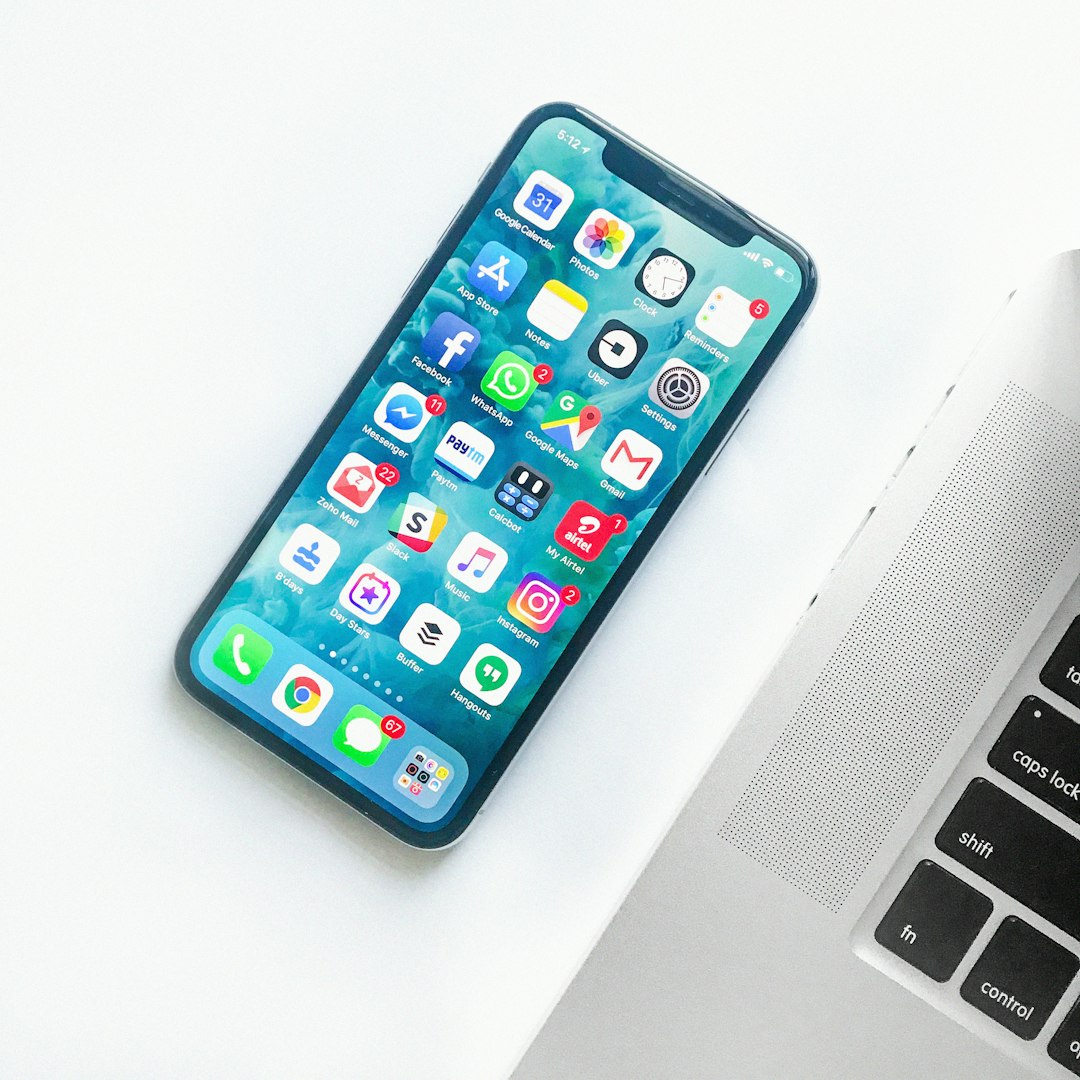
In Wisconsin, as across the nation, robocalls have become a pervasive and often annoying aspect of daily life. While many people turn to traditional blocking techniques, advanced technology offers a more comprehensive solution through specialized apps designed to combat these automated calls. These apps not only block but also provide valuable insights into call patterns, helping residents of Wisconsin better understand and protect themselves from potential scams.
One of the most highly regarded apps for blocking robocalls is TrueCall. This application uses advanced AI algorithms to identify and block unwanted calls, including those from known scammers and telemarketers. TrueCall also maintains an up-to-date database of robocall patterns, ensuring its effectiveness over time. Another popular choice is Hiya, which not only blocks calls but also provides detailed information about the caller, allowing users to make informed decisions. The app’s community-driven reporting system helps maintain a robust database of known scammer numbers.
For those seeking a more comprehensive solution, Call Protection by LifeLock offers a suite of features designed to safeguard against robocalls and identity theft. This app provides not only blocking capabilities but also credit monitoring and identity restoration services. A notable advantage is its integration with various communication platforms, ensuring protection across multiple channels. In 2022, a study by the Federal Trade Commission (FTC) revealed that states with more stringent anti-robocall laws, such as Wisconsin, experienced lower rates of robocalls, underscoring the impact of regulatory measures and advanced call-blocking technology.
In addition to installing these apps, Wisconsin residents can take proactive steps to reduce robocalls by registering their phone numbers on the National Do Not Call Registry. While this measure doesn’t guarantee a complete block, it does limit the number of legitimate calls received. Combining these efforts with cutting-edge call-blocking apps offers an effective strategy for navigating the landscape of robocalls in Wisconsin and beyond.
How to Configure Call Blocking Settings Effectively
In the ongoing battle against robocalls, Wisconsin residents now have a powerful weapon at their disposal: call blocking apps. These tools offer a sophisticated way to manage incoming calls, with many advanced features designed to filter out unwanted and potentially fraudulent calls, including those from robocall attorneys Wisconsin. Effectively configuring these settings is key to maximizing protection. Start by reviewing the app’s interface, which should allow for customization based on numbers, types of calls, or even time of day. For instance, many apps let you create “allow lists” and “block lists,” ensuring only trusted contacts reach your phone.
Consider using specific call filtering options to target robocallers. Many applications employ machine learning algorithms that can identify patterns indicative of spam calls. These systems learn from user feedback, continually refining their capabilities to block new robocall tactics. For example, a user in Wisconsin might choose to automatically block all calls originating from out-of-state numbers, reducing the likelihood of encountering out-of-state robocall attorneys.
Additionally, enabling call screening and voice message forwarding can provide valuable time to assess incoming calls. If a call is suspected to be fraudulent or unwanted, it can be automatically forwarded to voicemail, allowing you to decide whether to return the call. This proactive approach, combined with robust blocking settings, offers an effective strategy against robocalls, ensuring Wisconsin residents can enjoy more peace of mind during their daily communications.
Legal Implications: Robocall Attorney Wisconsin's Role

Robocalls have become a ubiquitous and often annoying aspect of modern life, with millions of Americans receiving unwanted calls daily. In Wisconsin, as across the nation, these automated messages—whether for marketing purposes or fraudulent schemes—have prompted residents to seek solutions. One critical area where Wisconsinites can find recourse is through the involvement of a robocall attorney. These legal professionals play a pivotal role in navigating the complex landscape of consumer protection and telecommunications laws.
The Legal Landscape surrounding robocalls is governed by a patchwork of federal and state regulations, such as the Telephone Consumer Protection Act (TCPA) in the U.S. A robocall attorney in Wisconsin helps clients understand their rights under these laws, which can include seeking damages for unauthorized calls or blocking future calls from specific numbers. These attorneys often collaborate with telecom carriers and call centers to implement robust anti-robocall measures, ensuring compliance with legal standards. For instance, a successful case might involve securing agreements that limit the use of automated dialing systems or enforce strict do-not-call lists.
Beyond representation in legal matters, robocall attorneys in Wisconsin contribute to public awareness campaigns, educating residents on how to recognize and report suspicious calls. They also advocate for stricter regulations, working with legislative bodies to amend laws and close loopholes exploited by robocallers. By combining legal expertise with a deep understanding of emerging technologies, these professionals are at the forefront of protecting consumers from unwanted and potentially harmful robocalls.
Additional Tips and Resources for Call Protection

In addition to installing reputable robocall blocking apps, Wisconsin residents can take several other proactive steps to protect themselves from intrusive automated calls. Understanding the legal framework surrounding robocalls is a powerful tool in your arsenal. According to the Telephone Consumer Protection Act (TCPA), a federal law designed to curb excessive robocalling, companies must obtain explicit consent before calling consumers using automated technology. Consulting with a robocall attorney Wisconsin can provide clarity on your rights and options for legal recourse if you’ve been targeted by illegal or harassing calls.
Beyond legal measures, several technological and behavioral strategies can significantly enhance call protection:
1. Refine Your Contact Lists: Share your phone number cautiously, only providing it to trusted entities. Many online services and retailers allow you to customize privacy settings, allowing you to opt-out of marketing calls from the get-go. Regularly review and update your contact lists to ensure numbers associated with telemarketing or scams are blocked.
2. Utilize Call Screening Services: Many telephone service providers offer call screening options that allow you to listen to incoming calls before answering. This simple step can help weed out robocalls, saving you valuable time and energy. Some services even provide automated screenings, flagging potential spam calls with a warning system.
3. Educate Yourself on New Technologies: Stay informed about the latest robocall blocking technologies and apps. As these tactics evolve, so do the methods of scammers. Regularly update your call protection software to include the most current robocall identification algorithms.
Remember, while these measures provide a robust defense against robocalls, no system is foolproof. A dedicated robocall attorney Wisconsin can offer tailored advice and representation if you find yourself overwhelmed or victimized by relentless automated calls.