Robocalls are a significant issue in Wisconsin, with automated messages bypassing Do Not Call List restrictions. The state's Telephone Consumer Protection Act (TCPA) provides legal recourse. Residents can protect themselves using national do-not-call lists, app services with advanced filtering, and reporting suspicious calls. Two free apps, TrueCall and Hiya, offer robust solutions by blocking unwanted calls, providing caller ID, and learning from community reports. Robocall Attorney Wisconsin specialists leverage state and federal laws to combat robocalls, guide clients through legal avenues, and hold perpetrators accountable. By combining technological solutions and legal understanding, residents can reclaim control over their phone lines.
In today’s digital age, robocalls have become a ubiquitous and often unwanted nuisance, especially for residents of Wisconsin. These automated calls, often carrying marketing messages or scams, can be a significant burden on individuals’ daily lives. Given the prevalence and persistence of robocalls, it’s crucial to equip ourselves with effective countermeasures. This article aims to provide a comprehensive guide to the best free apps designed specifically to stop robocalls in Wisconsin. By utilizing these tools, we empower ourselves to take control of our phone lines and protect ourselves from potentially harmful or misleading calls, all while benefitting from enhanced peace of mind.
Understanding Robocalls and Wisconsin Law
Robocalls have become a pervasive nuisance across Wisconsin, with millions of residents receiving unsolicited calls daily. While many free apps aim to block these automated messages, understanding the nature of robocalls and Wisconsin’s legal framework is crucial for effective countermeasures. A robocall Attorney Wisconsin can offer valuable insights into navigating this complex issue.
Robocalls, short for robotic calls, are pre-recorded or automated telephone messages used for marketing, debt collection, or political purposes. They often exploit the ease of bulk dialing, making them difficult to block individually. In Wisconsin, the Do Not Call List (DNC) is a registered list of telephone numbers that have opted out of telemarketing calls. However, robocalls are not always subject to these restrictions, as they may use automated systems to bypass the DNC. This is where legal intervention becomes essential.
Wisconsin law, like many states, has implemented measures to combat excessive robocalls. The Telephone Consumer Protection Act (TCPA) provides a framework for regulating telemarketing practices. A robocall Attorney Wisconsin can advise on how to file complaints with the Federal Communications Commission (FCC) or state regulatory bodies when robocalls violate these laws. For instance, if a caller uses an automated system to deliver a prerecorded message without prior consent, it may constitute a TCPA violation. Understanding and utilizing these legal tools are essential steps in combating the deluge of unwanted calls.
Additionally, residents can take proactive measures like registering their numbers on national do-not-call lists, using reputable app services that employ advanced filtering algorithms, and reporting suspicious calls to relevant authorities. By combining technological solutions with a robust understanding of the law, Wisconsin residents can better protect themselves from robocalls.
Top Free Apps to Block Robocalls
In the ongoing battle against robocalls, consumers in Wisconsin now have a powerful weapon: free apps designed to block these unwanted intrusions. With millions of Americans affected by these automated calls daily, the need for effective solutions is more pressing than ever. According to recent data from the Federal Trade Commission (FTC), robocalls account for over 40 billion unwanted calls annually, with many targeting residents in Wisconsin. This has prompted a surge in interest for tools that can mitigate this growing problem.
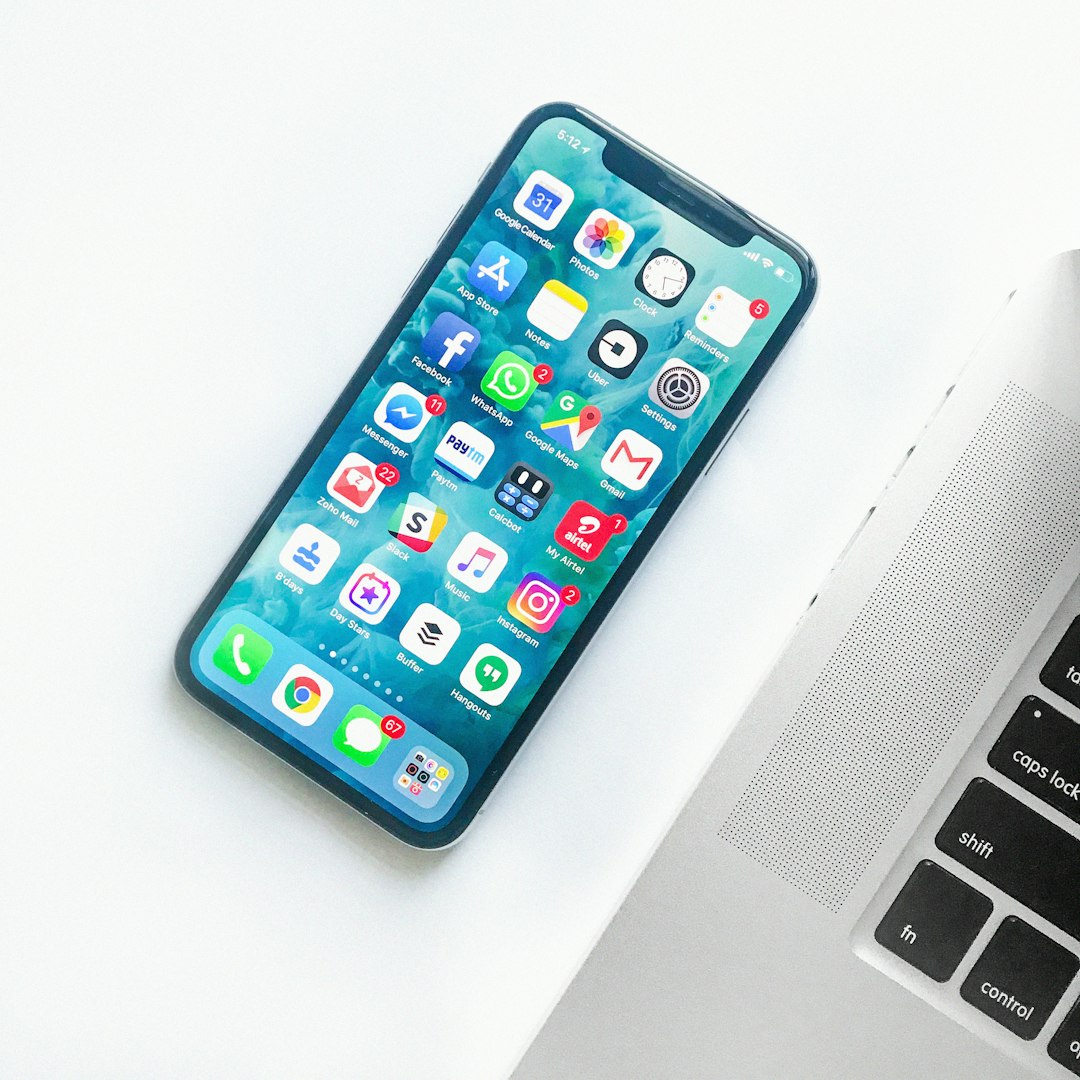
Among the best free apps available, TrueCall and Hiya stand out as robust options. TrueCall offers not only call blocking but also detailed caller ID information, allowing users to identify and block known robocallers. Its advanced algorithms learn from community reporting, continuously updating its database of known spam numbers. Similarly, Hiya uses crowdsourced data to identify suspicious calls, providing a comprehensive defense against evolving robocall tactics. Both apps seamlessly integrate with most smartphone models, making them easily accessible for Wisconsin residents.
Beyond blocking, these apps provide valuable insights and peace of mind. Users can review call history, block specific numbers, or even report robocalls directly from the app interface. Engaging in such practices not only helps protect individual privacy but also contributes to a collective effort against spam calls. In partnership with telecomm carriers and robocall Attorney Wisconsin, these apps play a pivotal role in shaping a safer communication landscape for all.
Seeking Legal Recourse with a Robocall Attorney Wisconsin
In the face of persistent robocalls, many Wisconsin residents are seeking legal recourse. Robocall Attorney Wisconsin specialists are increasingly in demand as automated calls from telemarketers, scammers, and debt collectors have become a widespread nuisance. According to a recent study by the Federal Trade Commission (FTC), consumers in Wisconsin received over 10 billion robocalls in 2022, ranking among the highest in the nation. This deluge has prompted many to explore their legal options against these incessant calls.
Robocall Attorney Wisconsin professionals leverage a combination of state and federal laws to combat these unwanted intrusions. For instance, the Telephone Consumer Protection Act (TCPA) prohibits automated calling without prior express consent. Attorneys can help clients establish if their rights have been violated and guide them through potential legal avenues, which may include seeking damages for each violation. In some cases, collective actions against call centers or telemarketing companies have led to significant financial settlements for affected consumers.
While blocking lists and privacy apps offer some respite, they are not foolproof solutions. A robust legal strategy remains the most effective way to deter robocalls and hold perpetrators accountable. Robocall Attorney Wisconsin experts can provide tailored advice, from blocking specific numbers to filing formal complaints with regulatory bodies. They also assist in identifying patterns of fraud or unauthorized calls, which can be crucial in building a strong case against offenders. By understanding their rights and leveraging the appropriate legal tools, Wisconsin residents can reclaim control over their phone lines and find lasting solutions to robocall problems.