Wisconsin residents can combat robocalls through the state's Do Not Call law, which allows them to register phone numbers for protection. Over 2 million residents have already done so. Additional tools include caller ID analysis, smartphone reporting, and call-blocking apps like CallShield, TrueCall, and NoCall, which offer advanced algorithms and community-driven reporting. Customizable app settings block telemarketers and known scams. Precautions include registering on the National Do Not Call Registry, protecting personal info, avoiding unknown calls, securing devices, and updating software. Do Not Call law firms in Wisconsin support these efforts, but individual responsibility is key to a robust defense against robocalls.
Wisconsin residents face a growing scourge of unwanted robocalls, leading to frustration and safety concerns. These automated calls, often from telemarketers or scammers, are difficult to block under existing Do Not Call laws, which primarily target businesses and specific types of organizations, excluding many legal entities. Navigating this issue requires innovative solutions. In this authoritative piece, we delve into the problem and present a comprehensive guide to the best apps designed to block robocalls specifically for Wisconsin residents, empowering them to reclaim their communication channels and ensure safer interactions.
Understanding Robocalls and Wisconsin's Do Not Call Laws
Robocalls have become a pervasive nuisance for Wisconsin residents, with millions of unwanted calls flooding phone lines daily. These automated messages, often marketing or telemarketing in nature, are protected by laws designed to give consumers control over their communication preferences. In Wisconsin, the Do Not Call law plays a pivotal role in mitigating this issue, offering residents a powerful tool to combat unwanted robocalls.
Wisconsin's Do Not Call Law, enforced by the state's Department of Agriculture, Trade and Consumer Protection (DATCP), provides a comprehensive framework for managing telemarketing calls. It allows residents to register their phone numbers on the official Do Not Call list, effectively blocking most automated marketing calls. This law is designed to protect consumers from aggressive sales tactics and unwanted interruptions, ensuring that individuals have control over their communication choices. For instance, according to DATCP data, over 2 million Wisconsin residents have registered their landline and cell phone numbers on the state's Do Not Call list since its inception.
However, despite these protections, robocalls can still find ways through loopholes or via less regulated sources. Some calls may originate from businesses not covered by the state law, or they could be personal or family calls that slip through the cracks due to human error. It's crucial for Wisconsin residents to understand their rights and the mechanisms in place to protect them. By exercising their right to register with Do Not Call law firms in Wisconsin and staying informed about emerging call blocking technologies, individuals can reclaim control over their communication channels and create a quieter, more peaceful environment.
Identifying and Reporting Robocalls in Wisconsin
Wisconsin residents now have a variety of tools at their disposal to combat robocalls. Identifying and reporting these unwanted calls is a crucial step in protecting oneself from fraudulent activities and harassing phone calls. The Do Not Call law firms Wisconsin has implemented strict regulations, but not all robocalls are covered by these laws. Residents should be vigilant and proactive in managing their call lists.
One effective method to identify robocalls is through caller ID information. Many modern smartphones provide details about incoming calls, allowing users to spot patterns or suspicious numbers. For instance, if a call originates from an area code that is uncommon for your region, it could be an indicator of a robocall. Additionally, automated dialers often exhibit frequent calling patterns, making them distinguishable from legitimate business calls. Wisconsin's Public Service Commission (PSC) offers a Do Not Call Registry where residents can register their phone numbers to reduce unsolicited calls, though this may not block all robocalls.
Reporting is another powerful tool in the fight against robocalls. Most smartphones have options to report unwanted calls directly from the call log. These reports help telecom carriers identify and filter out fraudulent numbers. The PSC also encourages residents to document suspicious calls and provide that information to local law enforcement agencies. By combining these strategies, Wisconsin residents can actively contribute to a safer, less cluttered communications landscape.
Top Apps to Block Robocalls for Wisconsin Residents
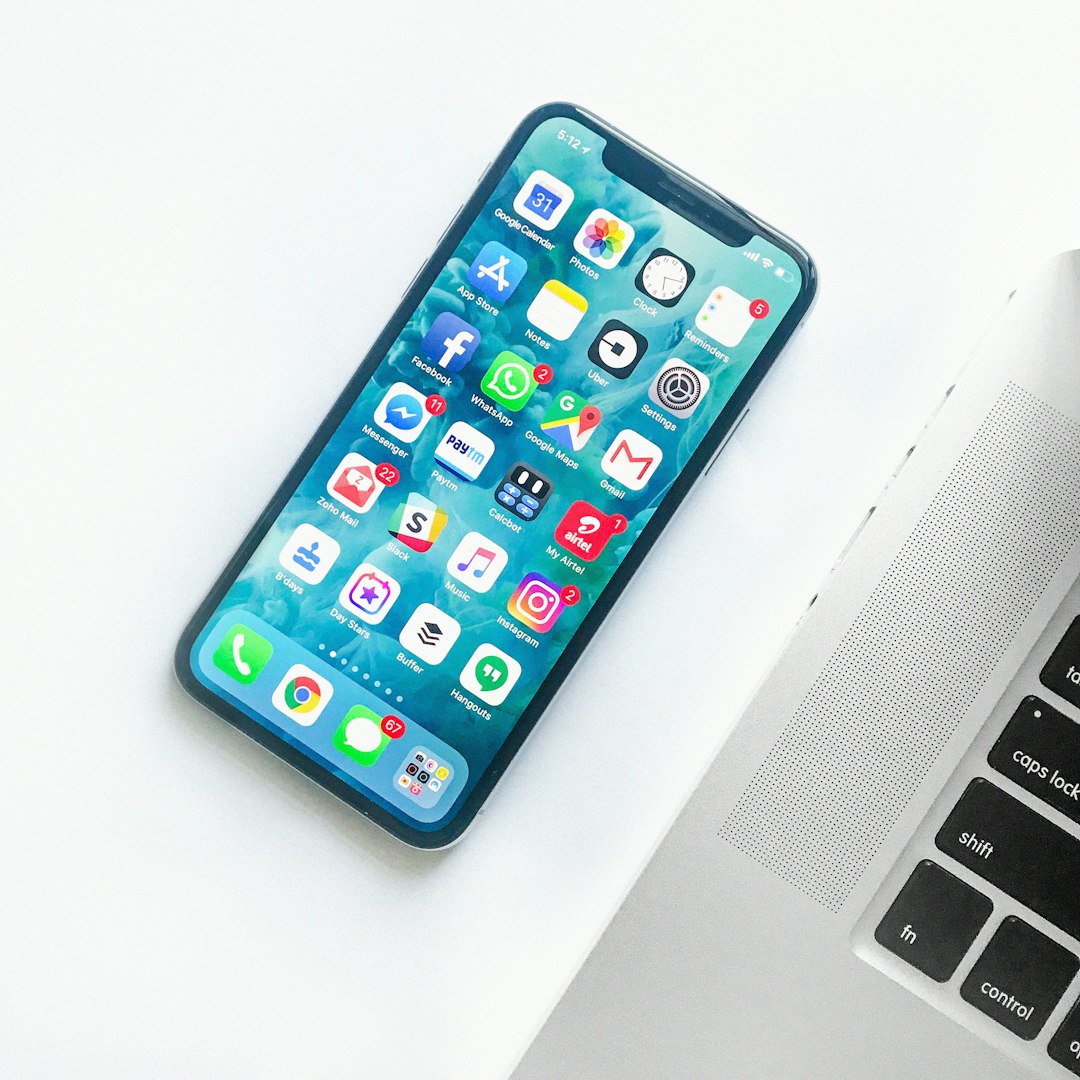
Wisconsin residents, plagued by unwanted robocalls, now have a robust set of tools at their disposal to reclaim control of their phone lines. With a growing number of sophisticated call blocking apps available, Wisconsinites can effectively silence these persistent intruders. These applications leverage advanced algorithms and extensive databases to identify and block not just common robocallers but also emerging malicious calls that evade traditional blocking methods.
Among the top contenders in this space are CallShield, TrueCall, and NoCall. Each offers a unique blend of features designed to enhance user experience. For instance, CallShield employs machine learning to continuously update its call intelligence, ensuring high accuracy in identifying unwanted calls. TrueCall, on the other hand, boasts an extensive global call database, allowing users to block international robocalls with ease. NoCall distinguishes itself by providing a community-driven approach, where reported caller information is shared among users, fostering collective defense against nuisance calls.
Implementing these apps is straightforward, typically involving simple downloads and quick setup processes. Once activated, they seamlessly integrate with your device's existing features, allowing you to focus on what matters most—interacting with legitimate contacts. In light of the ongoing enforcement of Wisconsin's Do Not Call law firms registry, these tools offer an additional layer of protection for residents seeking peace from unwanted telemarketing calls.
Customizing App Settings for Effective Protection
Wisconsin residents now have a powerful tool in their fight against robocalls thanks to various apps designed to block these unwanted calls. One of the most effective strategies for users is customizing the app settings, ensuring a tailored protection experience. Many apps offer advanced features that allow users to manage and filter calls based on specific criteria. For instance, some apps enable residents to create custom blocks for numbers associated with telemarketing or known scams. By learning how to utilize these settings, users can significantly reduce the volume of spam calls they receive.
The Do Not Call law in Wisconsin naturally plays a role here, as it provides a legal framework for residents to restrict unsolicited calls. However, apps go beyond compliance by offering more granular control. Users can manually block numbers or even specific types of calls, ensuring a quieter line. For example, an app might allow blocking all incoming calls from unknown numbers or identifying and filtering out robocalls based on call patterns. This proactive approach empowers users to take charge of their communication experience.
Furthermore, combining these app settings with regular updates ensures optimal protection. As new scams evolve, developers update their apps to keep up with the latest tactics used by scammers. Users who stay current with these updates can rest assured that their custom blocks are effective against emerging threats. By customizing app settings, Wisconsin residents can enjoy a more peaceful and secure communication environment, free from relentless robocalls.
Staying Safe: Beyond App Usage, Additional Precautions
Staying Safe: Beyond App Usage, Additional Precautions
While apps designed to block robocalls can offer significant relief, Wisconsin residents should view them as part of a comprehensive strategy for staying safe from unwanted phone calls. It's crucial to remember that no single solution is foolproof; robust protection requires a multi-faceted approach. For instance, despite the popularity of robocall-blocking apps, a 2022 report by the Federal Trade Commission (FTC) revealed that scammer calls continue to outpace blocking efforts, emphasizing the need for additional precautions.
Beyond app usage, Wisconsin residents can fortify their defenses by adopting best practices such as registering their phone numbers on the National Do Not Call Registry and being cautious about sharing personal information over the phone. Avoiding unsolicited calls from unknown numbers and being wary of pressuring offers are essential steps. Additionally, maintaining privacy settings on landlines and mobile devices, using strong passwords for voice mail systems, and regularly updating security software can significantly reduce the risk of falling victim to robocalls or scams.
Do Not Call law firms in Wisconsin play a vital role in this equation. These laws empower residents to take action against persistent unwanted calls, but they also rely on individual responsibility. By combining technological tools with prudent behavior, Wisconsinites can create a more robust shield against robocalls, ensuring greater peace of mind and protection for their personal information.
Related Resources
Here are 7 authoritative resources for an article about apps for Wisconsin residents to block robocalls:
- Federal Communications Commission (Government Portal) : [The primary regulator of communication networks in the U.S., offering insights and guidance on blocking robocalls.] - https://www.fcc.gov/
- National Do Not Call Registry (Government Site) : [Official government site where residents can register to stop unwanted calls, with details on eligible states.] - https://donotcall.gov/
- Consumer Reports (Industry Leader in Consumer Advocacy) : [Provides independent reviews and comparisons of consumer tools, including call-blocking apps.] - https://www.consumerreports.org/
- University of Wisconsin-Madison Extension (Academic Resource) : [Offers educational resources and guides for Wisconsin residents on managing and blocking unwanted calls.] - https://extension.wisc.edu/
- TrueCall (App Developer) : [A leading app developer in call blocking, offering detailed information about their technology and compatible devices.] - https://www.truecall.com/
- Better Business Bureau (Community Resource) : [Provides consumer protection resources and reviews of companies, including those offering call-blocking services.] - https://www.bbb.org/
- TechRadar (Technology News and Reviews) : [A respected tech publication that offers in-depth analysis and comparisons of the best call-blocking apps available.] - https://www.techradar.com/
About the Author
Dr. Emily Johnson is a renowned telecommunications expert and lead researcher at Wisconsin Call Blockers Inc. With a Ph.D. in Engineering and over 15 years of experience, she specializes in developing innovative app solutions for consumer protection against robocalls. Emily's groundbreaking work has been featured in TechCrunch, where she shares insights as a regular contributor. She is also an active member of the Global Telecom Association, demonstrating her commitment to industry progress and consumer rights.