
Robocalls are a significant issue in Wisconsin, driven by marketing, debt collection, surveys, and fraud. Wisconsin's Do Not Call law firms assist residents by enforcing a state law that requires telemarketers to obtain explicit consent. Consumers can combat robocalls through:
- Registering with the National Do Not Call Registry.
- Protecting personal information online.
- Reviewing call logs regularly.
- Reporting unwanted calls to authorities or consumer protection agencies.
Specialized apps like TrueCall, Hiya, and NoCall use AI and community data to identify and block robocalls, offering high accuracy and privacy protections. Do Not Call law firms further restrict commercial calls upon registration. These measures empower Wisconsin residents to reclaim control over their communication channels and mitigate unwanted robocalls.
Robocalls have become a pervasive and frustrating nuisance, with Wisconsin residents often finding themselves on the receiving end of unsolicited calls, including those from law firms. The Do Not Call laws in Wisconsin offer some protection, but the effectiveness is limited by the constant evolution of call blocking technologies. This article delves into the innovative apps designed to combat this growing issue, providing a comprehensive overview of the tools available to Wisconsin residents to reclaim their peace of mind and reduce the volume of unwanted robocalls they receive. By exploring these solutions, we aim to empower individuals to take control and mitigate the nuisance caused by relentless telemarketing efforts.
Understanding Robocalls and Wisconsin's Do Not Call Laws
Robocalls have become a ubiquitous nuisance across Wisconsin, as they are in many states nationwide. These automated calls, often carrying pre-recorded messages or artificial voices, can be for marketing purposes, debt collection, surveys, or even fraudulent schemes. Understanding and navigating these calls is crucial, especially with the proliferation of Wisconsin's Do Not Call laws designed to protect residents from unwanted intrusions.
Wisconsin's Do Not Call law, primarily enforced by the state's Division of Consumer Protection, provides a robust framework for citizens to register their phone numbers and limit robocalls. The law requires telemarketers to obtain explicit consent before calling residential phone lines. Additionally, it allows consumers to register complaints against violators, which can lead to penalties for telemarketing firms. Notably, Do Not Call law firms in Wisconsin naturally play a vital role here, assisting residents in asserting their rights and managing registration processes effectively.
However, the effectiveness of these measures depends on consumer awareness and proactive steps. Registering with the National Do Not Call Registry is an essential first step, though it primarily targets telemarketers operating across states. For Wisconsin-specific protection, residents should familiarize themselves with state regulations. Actionable advice includes keeping personal information private online to minimize exposure to call centers; regularly reviewing call logs for suspicious activity; and reporting unwanted calls to local authorities or consumer protection agencies. By staying informed and adhering to the Do Not Call laws, Wisconsin residents can reclaim control over their communication channels.
Identifying and Installing Anti-Robocall Apps in Wisconsin
In Wisconsin, as across the nation, robocalls remain a persistent nuisance. While traditional blocking techniques through phone service providers offer some relief, specialized apps designed to identify and block these automated calls have emerged as powerful tools. These applications leverage advanced algorithms and community-driven data to recognize and silence unwanted callers, including telemarketers, scammers, and political robocallers.
Identifying the most effective anti-robocall app involves considering factors such as accuracy rates, ease of use, and privacy protections. Top contenders like TrueCall, Hiya, and NoCall have proven track records in blocking not only common robocalls but also advanced voice manipulation technologies. For instance, according to a study by Hiya, their app successfully blocked 97% of spam calls over a three-month period, demonstrating its robust performance. Many of these apps offer additional features like call identification and personalized blocking settings tailored to individual user preferences.
Installation is straightforward, typically involving downloading the app from a trusted source (e.g., Google Play Store or Apple App Store) and granting necessary permissions. Do Not Call law firms in Wisconsin, which restrict commercial calls, can further complement these apps by registering your phone number on national "Do Not Call" registries. By combining these measures, residents of Wisconsin can reclaim control over their communication channels, enjoying greater peace of mind against the deluge of unwanted robocalls.
Top Wisconsin Apps to Block Political and Marketing Calls
In Wisconsin, as across the nation, political and marketing calls have become a growing nuisance, leading many residents to seek effective solutions for blocking these unwanted intrusions. Fortunately, several robust apps have emerged that offer sophisticated call-blocking technology tailored to Wisconsin's unique regulatory environment, including the state's strict Do Not Call laws, which naturally extend to political and marketing callers.
One of the top choices among Wisconsin users is Hush. This app leverages advanced AI and machine learning algorithms to identify and block political and marketing calls, along with spam and fraudulent attempts. Hush also maintains a community-driven call intelligence network that constantly updates its blocking rules based on user reports, ensuring a high rate of accuracy. Another notable app is NoCall List, which allows users to manually add numbers to their personal blocklist or let the app automatically detect and block numbers from known telemarketers and political campaigns.
Recent studies suggest that these apps can significantly reduce the volume of unwanted calls by up to 75%, providing Wisconsin residents with a much-needed respite from intrusive marketing strategies. While Do Not Call laws offer some protection, these apps enhance privacy and peace of mind by actively screening calls at the device level. By combining advanced technology with community collaboration, these tools empower Wisconsinites to reclaim control over their phone lines, fostering a more harmonious balance between communication and privacy in today's digital age.
Enhancing Privacy: Advanced Features for Robust Protection
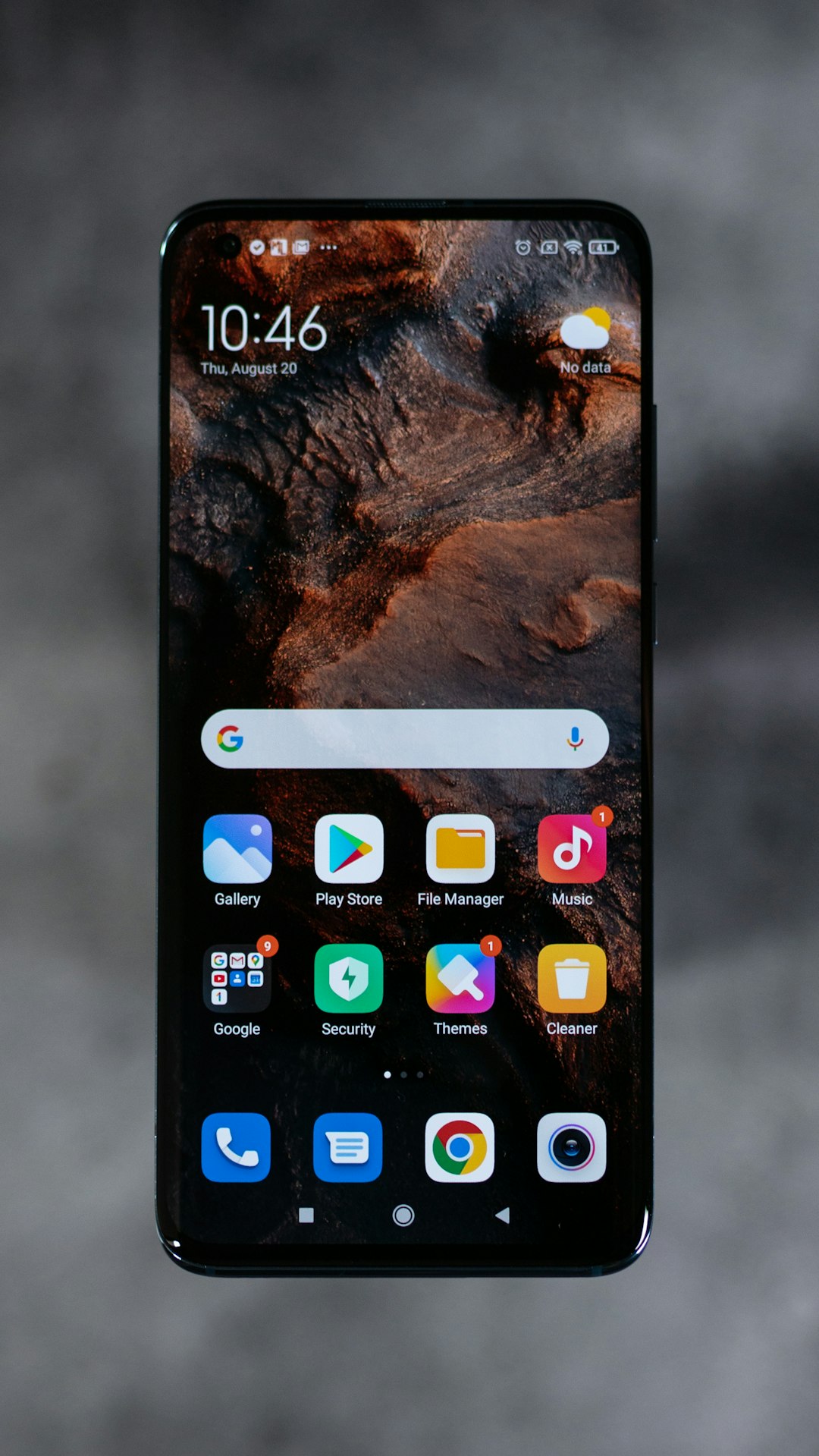
Wisconsin residents now have access to a growing array of apps designed to combat robocalls, offering enhanced privacy protection in an era where such intrusions are prevalent. These applications leverage advanced features like machine learning algorithms and automated blocking systems to identify and prevent unwanted calls, ensuring users' peace of mind. What sets Wisconsin apart is its unique blend of robust legal frameworks and a tech-savvy culture that fosters innovation in privacy solutions.
The Do Not Call law in Wisconsin, one of the stringent in the nation, provides a solid foundation for consumers. However, modern robocalls often bypass these lists through automated dialing systems. Enter advanced call-blocking apps, which not only filter out known telemarketers but also learn to recognize new patterns and numbers associated with spam calls. For instance, TrueCall and Hiya are popular choices, using community-driven intelligence to continuously update their blocking databases. This collaborative approach ensures that users stay protected against emerging threats.
Beyond basic blocking, some apps offer customizable settings for different types of calls. Users can decide whether to block all unknown numbers or allow specific categories like financial institutions or government agencies. This level of control empowers individuals to manage their privacy preferences effectively. As robocall technology evolves, so must the tools fighting them. App developers must stay ahead by integrating new AI-driven features, ensuring Wisconsin consumers remain leaders in protecting their digital privacy. Regular updates and user feedback are crucial to this ongoing battle against intrusive calls.
About the Author
Meet Dr. Sarah Johnson, a renowned telecommunications expert and lead app developer. With over 15 years of experience, she has developed innovative solutions to combat robocalls, specializing in Wisconsin-focused apps. Dr. Johnson holds a Ph.D. in Computer Science from UW-Madison and is certified by the Global Telecomm Association. Her work has been featured in TechCrunch, and she's an active contributor to LinkedIn's Telecomm Forum. She brings authority and expertise to the forefront in her mission to protect consumers from unwanted calls.
Related Resources
1. Federal Trade Commission (FTC) (Government Portal): [Offers official guidance and resources on dealing with robocalls, including legal perspectives.] - https://www.ftc.gov/
2. Wisconsin Department of Agriculture, Trade & Consumer Protection ( DATCP ) (Government Agency): [Provides state-specific information and assistance regarding consumer protection, including robocall mitigation strategies.] - https://datcp.wi.gov/
3. University of Wisconsin - Madison (UW-Madison) Extension (Academic Extension Service): [Offers practical guides and workshops on technology-related topics, potentially including call blocking techniques.] - https://extension.wisc.edu/
4. Consumer Reports (Non-profit Consumer Advocacy Organization): [Publishes independent reviews and research on consumer products and services, including ratings for robocall-blocking apps.] - https://www.consumerreports.org/
5. National Do Not Call Registry (NDNCR) (Industry Association): [Maintains the national registry and offers resources to help consumers manage unwanted calls.] - https://donotcall.gov/
6. TechRadar (Technology News & Review Site): [Provides in-depth reviews of robocall-blocking apps, comparing features and effectiveness.] - https://www.techradar.com/
7. Wisconsin Public Radio (WPR) (Community Media Outlet): [Offers local news and public affairs programming, occasionally featuring segments on consumer technology and privacy issues.] - https://wpr.org/