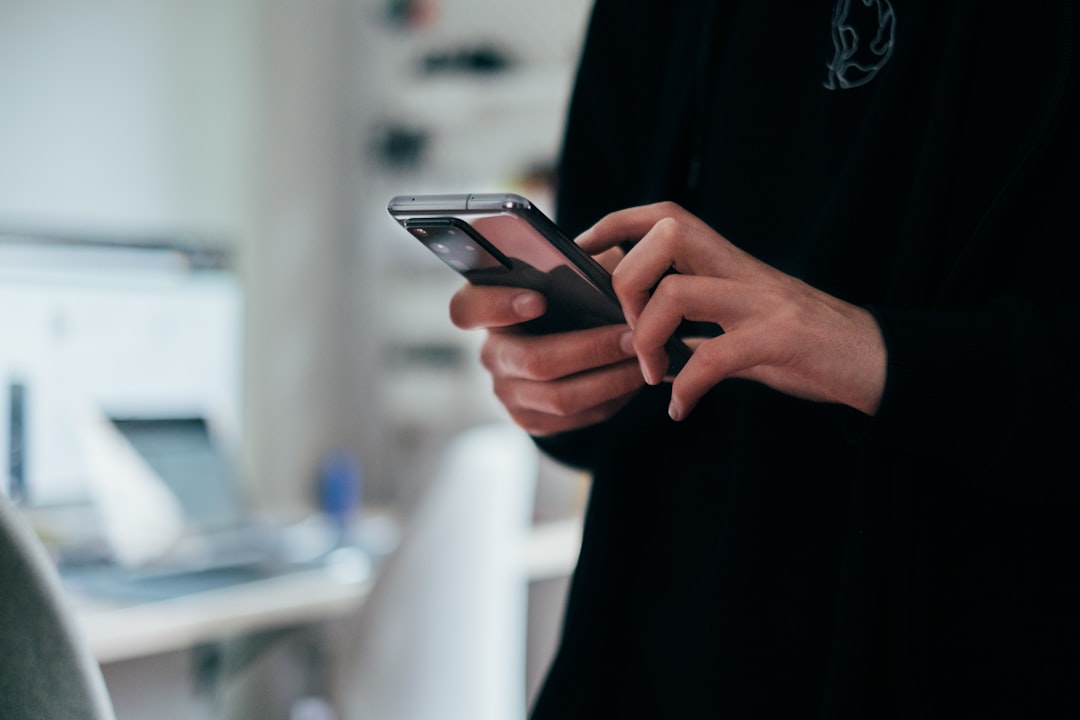
Wisconsin smartphone users face a robocall crisis, prompting legal action. The Telephone Consumer Protection Act (TCPA) and state laws regulate automated calls, with fines for violations. Robocall lawyers offer guidance on compliance and consumer rights protection. Apps like TrueCall, Hiya, and NoCall aid in blocking robocalls using AI and community data. Users can reduce unwanted calls by enrolling in the Do Not Call Registry, downloading reputable apps, reporting fraudulent calls, updating settings, and educating businesses. Partnering with a Robocall Lawyer Wisconsin ensures legal expertise in combating these nuisance calls.
In today's digital age, Wisconsin smartphone users face a growing nuisance in the form of robocalls, with untold numbers seeking to exploit consumer protections. These automated calls, often from unknown sources, have become a pervasive issue, leaving many residents frustrated and vulnerable. While traditional blocking methods offer temporary relief, they may not keep pace with evolving robocall tactics. This article delves into effective solutions, specifically exploring robust robocall prevention apps designed to safeguard Wisconsin consumers. By leveraging cutting-edge technology, these innovative tools empower users against unwanted intrusions, ensuring peace of mind and offering a powerful resource for any robocall lawyer in Wisconsin navigating this complex landscape.
Understanding Robocalls in Wisconsin: Legal Perspective

Robocalls have become a pervasive issue for smartphone users across Wisconsin, leading many to seek effective prevention measures. Understanding the legal perspective behind robocalling practices is essential for both consumers and businesses aiming to minimize these intrusive calls. In Wisconsin, the regulation of automated phone calls, or robocalls, is governed by the Telephone Consumer Protection Act (TCPA) and state-specific laws, which aim to protect citizens from unwanted and harassing communication.
The TCPA, a federal law, restricts the use of automated dialing systems and prerecorded messages for telemarketing purposes without prior express consent. Wisconsin has further refined these regulations, making it illegal for any person or entity to make a robocall with knowledge or willful ignorance that the number is on the Do Not Call list. Fines for violations can be substantial, reflecting the severity of this issue from a legal standpoint. A robocall lawyer in Wisconsin can provide invaluable guidance, helping individuals and businesses navigate these complex regulations to avoid costly mistakes.
For instance, a recent study revealed that over 70% of Wisconsin residents received at least one robocall per month, with many reporting frustration and a significant drop in quality of life due to these unwanted calls. This surge in robocalls has prompted the state's Attorney General to launch initiatives aimed at enforcing TCPA compliance. Consumers are encouraged to report suspicious calls, while businesses must ensure their marketing practices adhere to strict guidelines. By understanding their legal obligations and potential consequences, Wisconsin smartphone users can take proactive steps to protect themselves from robocall harassment.
Top Robocall Prevention Apps for Smartphone Users

Wisconsin residents now have more options than ever to combat the nuisance of robocalls thanks to a range of sophisticated app solutions. With over 4 billion robocalls made globally in 2021, according to data from Hia, traditional call blocking methods are no longer enough. Today's smartphone users need powerful tools that can identify and prevent these unwanted intrusions. Thankfully, several top-rated apps have emerged as effective game-changers in the fight against robocallers.
One standout app, TrueCall, has garnered high praise from both users and experts alike. This robust platform utilizes advanced machine learning algorithms to analyze incoming calls and distinguish between legitimate contacts and spammers. It blocks not just robocalls but also unknown callers and specific numbers you choose to avoid. Another notable mention is Hiya, which leverages a vast global community of users to crowdsource call data. By collectively identifying malicious numbers, Hiya offers comprehensive protection against the latest scams. Additionally, NoCall lists itself as a non-profit dedicated to consumer privacy, utilizing a community-driven approach to block political and telemarketing calls while respecting legitimate business communications.
Choosing the right robocall prevention app requires careful consideration of factors like accuracy rates, blocking capabilities, user reviews, and data privacy policies. Consulting with a robocall lawyer in Wisconsin can provide valuable guidance tailored to local laws and regulations, ensuring that users not only protect themselves from unwanted calls but also maintain their rights as consumers.
How to Stop Unwanted Calls: A Step-by-Step Guide
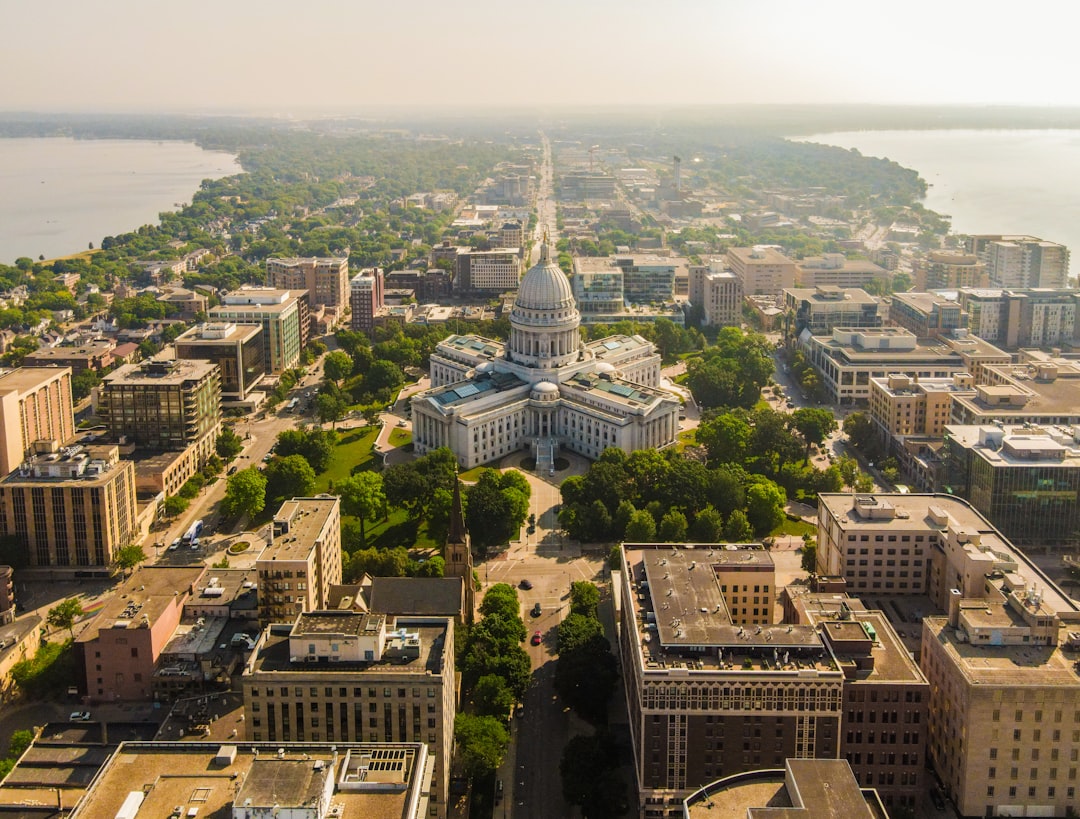
Unwanted robocalls are a pervasive problem for smartphone users across Wisconsin, but there are effective strategies to mitigate this disturbance. This step-by-step guide equips Wisconsin residents with tools and knowledge to significantly reduce robocalls, leveraging advanced technologies, legal protections, and user-driven practices.
First, enroll in the National Do Not Call Registry. This federal program blocks calls from known telemarketers. It's a crucial first line of defense, but know that many robocalls originate from numbers not registered with the registry. Next, download reputable robocall blocking apps tailored for Android and iOS devices. These applications use machine learning to identify and block suspicious calls based on patterns and caller behavior. Examples include TrueCall, Hiya, and NoCall, all available through the respective app stores.
Moreover, consider consulting a robocall lawyer in Wisconsin if you suspect illegal telemarketing practices. Legal expertise can help you understand your rights under state laws like Wisconsin Statute 105.23, which regulates telemarketing activities. Reporting excessive or fraudulent robocalls to relevant authorities is another powerful step. The Federal Trade Commission (FTC) and local consumer protection agencies accept complaints, enabling them to investigate and take action against persistent offenders.
For maximum effectiveness, combine these strategies. Regularly update blocking app settings, keep your phone’s software up-to-date for enhanced security, and avoid providing personal information unless absolutely necessary. Data from the FTC reveals that these multi-layered defenses can significantly reduce robocall volumes. By proactively implementing these measures, Wisconsin smartphone users can reclaim control of their communication channels and enjoy a quieter, more peaceful digital landscape.
Legal Rights of Wisconsin Residents Against Robocalls

Wisconsin residents face a significant challenge from robocalls, which have become an increasingly prevalent nuisance. According to recent studies, robocalls account for nearly half of all calls in the state, with many targeting consumers and businesses alike. The sheer volume highlights the need for robust protection and legal recourse against these automated phone calls.
Wisconsin has implemented laws to safeguard residents from intrusive robocalls, primarily through the Wisconsin Telemarketing Nuisance Prevention Act. This legislation empowers individuals to take action against unwanted telemarketing calls by granting them the right to file complaints with the Wisconsin Department of Agriculture, Trade and Consumer Protection (DATCP). Complaints can lead to investigations and potential penalties for violators. Furthermore, residents can register their phone numbers on the national Do Not Call Registry, which restricts most commercial calls, though not all robocalls are covered by this registry.
Robocall Lawyer Wisconsin emphasizes that while these legal measures offer a framework for protection, staying informed is crucial. Consumers should be vigilant in reviewing call history and identifying suspicious patterns. Utilizing reputable robocall prevention apps can significantly aid in filtering out unwanted calls. These applications often employ advanced algorithms to recognize and block robocalls at the network level. For instance, apps like Robocall Block and NoMo Robocalls have gained popularity for their effectiveness in blocking spam calls while allowing legitimate contacts.
In addition to technical solutions, educating callers about the implications of automated marketing can be a powerful tool. A robocall lawyer in Wisconsin suggests that consumers reach out to businesses directly to express their disapproval of excessive robocalls. This collective action could encourage companies to adopt more responsible telemarketing practices, ultimately reducing the volume of unwanted calls received by residents.
The Role of a Robocall Lawyer Wisconsin in Fighting Back

In Wisconsin, as across the nation, robocalls have become a pervasive nuisance. These automated phone calls, often promoting products or services, can be frustrating and intrusive. Many smartphone users turn to robocall prevention apps in hope of blocking these unwanted interruptions. However, a crucial aspect often overlooked is the role of a Robocall Lawyer Wisconsin. These legal professionals play a vital part in combating the deluge of robocalls by providing expertise in navigating complex laws surrounding telemarketing practices and consumer rights.
Robocall Lawyers Wisconsin specialize in understanding and enforcing state and federal regulations designed to curb excessive or deceptive telemarketing. They can offer strategic advice to both individuals and businesses, helping them implement best practices to minimize the generation of unwanted robocalls. For instance, they guide companies on proper call list management, ensuring that caller identification information is accurate and opt-out requests are respected. By holding telemarketers accountable, these lawyers contribute significantly to reducing the volume of nuisance calls Wisconsin residents experience daily.
Moreover, a Robocall Lawyer Wisconsin can provide individuals with legal recourse when their rights are violated. They assist in filing complaints against persistent or illegal robocallers, which helps build a deterrent environment for potential offenders. Data from consumer protection agencies underscores this point; reports show that increased legal actions against robocallers have led to a noticeable decline in complaint volumes over the past few years. This trend demonstrates the tangible impact of having legal professionals dedicated to addressing the robocall crisis.
To protect yourself, consider partnering with a reputable Robocall Lawyer Wisconsin. They can offer tailored solutions based on your unique situation, ensuring that your right to peace and quiet is preserved in today's digital age. By combining technological solutions with legal expertise, Wisconsin residents can effectively fight back against robocalls and reclaim their communication channels.