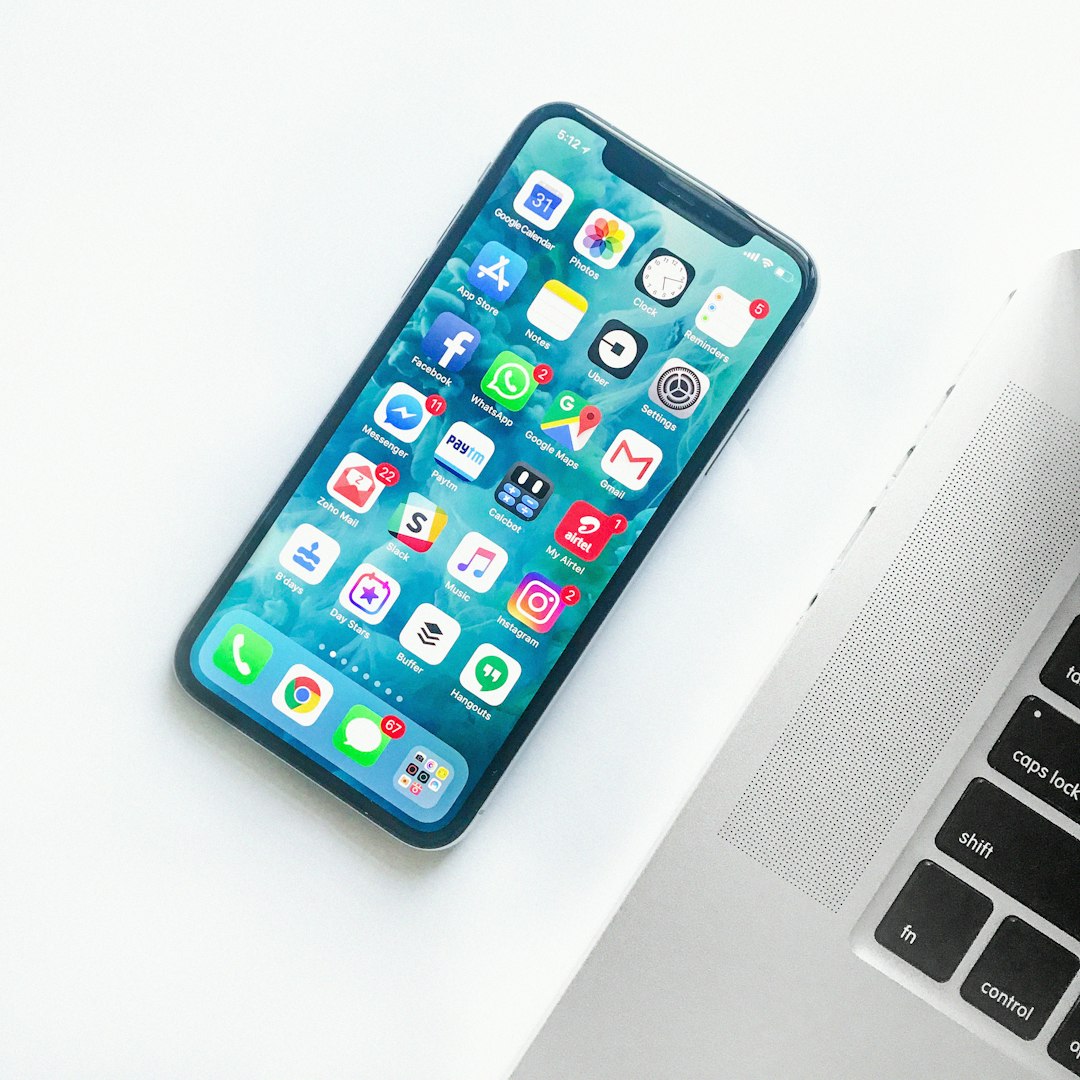
Wisconsin residents face a surge in robocalls, with federal (TCPA) and state laws offering protections. Businesses must obtain explicit consent and provide clear opt-out options. Apps like TrueCall and Hiya help identify and block robocalls, but no system is perfect. Consulting a lawyer for robocall laws Wisconsin offers crucial guidance on legal protections and enforcement against violators. These professionals assist in filing complaints, negotiating settlements, and taking legal action to combat this growing nuisance.
In today's digital age, robocalls have become a ubiquitous yet often unwanted part of our daily lives. Wisconsin residents, like many across the country, face a deluge of automated calls advertising everything from financial services to political campaigns. While some robocalls offer valuable information, others can be harassing and fraudulents, prompting the need for effective solutions. This guide aims to empower Wisconsin citizens by providing an authoritative overview of the best robocall blocking apps available. By understanding these tools, individuals can better protect their privacy and peace of mind, even when navigating the labyrinthine world of unwanted calls—a service that even the most diligent lawyer for robocall in Wisconsin would find valuable.
Understanding Robocalls and Wisconsin Laws
Robocalls have become a pervasive issue nationwide, including Wisconsin, with millions of unwanted calls flooding phone lines daily. These automated messages, while often marketing or fraudulent in nature, are protected by federal laws, such as the Telephone Consumer Protection Act (TCPA), which gives consumers certain rights but also presents challenges for businesses aiming to connect with their customers. Understanding these laws is crucial when navigating Wisconsin's robocall landscape.
Wisconsin has its own set of regulations regarding telemarketing and robocalls, designed to protect residents from deceptive or harassing practices. The state's attorney general's office actively enforces these rules, which often mirror federal TCPA provisions but with more stringent penalties in some cases. For instance, Wisconsin law prohibits automated calls without prior express consent, a stricter rule than the TCPA's requirement of "do not call" registration. Furthermore, any violation can result in substantial fines, up to $10,000 per day, emphasizing the need for businesses to ensure compliance. A lawyer specializing in robocall laws Wisconsin can provide guidance tailored to these unique regulations, helping companies avoid costly mistakes.
To ensure compliance and mitigate the impact of robocalls, businesses should obtain explicit consent from consumers before automating calls. This includes clear opt-out options on all marketing messages. Regularly reviewing and updating privacy policies and call practices is essential, especially with evolving legal landscapes. For Wisconsin residents, knowing their rights and understanding how to file complaints with the attorney general's office can empower them to combat unwanted robocalls effectively.
Identifying and Blocking Unwanted Calls
In today's digital era, Wisconsin residents, like many across the nation, face an unprecedented surge of unwanted robocalls. These automated calls, often marketing or fraudulent in nature, can be a nuisance and even pose significant risks to personal data security. Fortunately, various robust tools and applications are available to help identify, block, and mitigate these intrusions, offering much-needed relief.
Effective call blocking begins with accurate identification. Many robocall apps utilize advanced algorithms that analyze calling patterns, phone numbers, and other data points to distinguish automated calls from legitimate ones. For instance, popular options like TrueCall or Hiya employ machine learning models capable of recognizing common characteristics of spam calls, such as those originating from unknown or out-of-state numbers. These apps not only filter incoming calls but also provide valuable insights into call sources and trends. However, it's important to note that no system is foolproof; new robocall techniques emerge frequently, challenging even the most sophisticated blocking software.
Beyond blocking, consulting a lawyer for robocall laws in Wisconsin can offer crucial guidance on legal protections and enforcement options. The Telephone Consumer Protection Act (TCPA) provides significant safeguards against unwanted calls, with strict penalties for violators. A qualified attorney can help individuals understand their rights, navigate complex regulations, and take appropriate action if they've been victimized by persistent or illegal robocall campaigns. By combining advanced technology with legal expertise, Wisconsin residents can more effectively defend themselves against this modern nuisance, ensuring a safer, less cluttered communication landscape.
Top Robocall Apps for Wisconsin Residents
Wisconsin residents face a persistent issue with robocalls, which has prompted many to seek effective solutions. Robocalls, or automated telephone calls, have become a widespread nuisance, often masquerading as legitimate business calls or even coming from unknown sources. The volume and frequency of these calls have led many Wisconsinites to explore robust tools to block, identify, and manage them. This section provides an in-depth look at the top robocall apps designed specifically for Wisconsin residents, offering practical solutions to combat this growing problem.
Several applications stand out as powerful weapons against unwanted robocalls. For instance, apps like Hiya and TrueCall are widely recognized for their advanced call identification and blocking capabilities. These tools use sophisticated algorithms to analyze and categorize incoming calls, allowing users to block or screen suspected robocalls with a simple tap. A notable feature is the ability to report spam calls, which helps improve the app's accuracy over time. According to recent surveys, these apps have successfully blocked millions of robocalls across the US, including Wisconsin, significantly reducing users' exposure to unwanted marketing and fraudulent attempts.
However, it's essential to choose apps that align with Wisconsin's specific legal framework regarding robocalls and telemarketing practices. The state has implemented laws, such as those enforced by the Wisconsin Department of Agriculture, Trade and Consumer Protection (DATCP), to protect residents from aggressive or deceptive telemarketing activities. A reliable robocall app should incorporate features that comply with these regulations, ensuring users' rights are protected while they take control of their communication channels. For instance, some apps offer customizable call settings, allowing users to set preferences for specific types of calls and even report abusive or fraudulent activities directly through the app. By combining robust blocking mechanisms with user-friendly interfaces, these applications empower Wisconsin residents to reclaim their phone lines from persistent robocalls.
Legal Protections & Seeking Help from a Lawyer
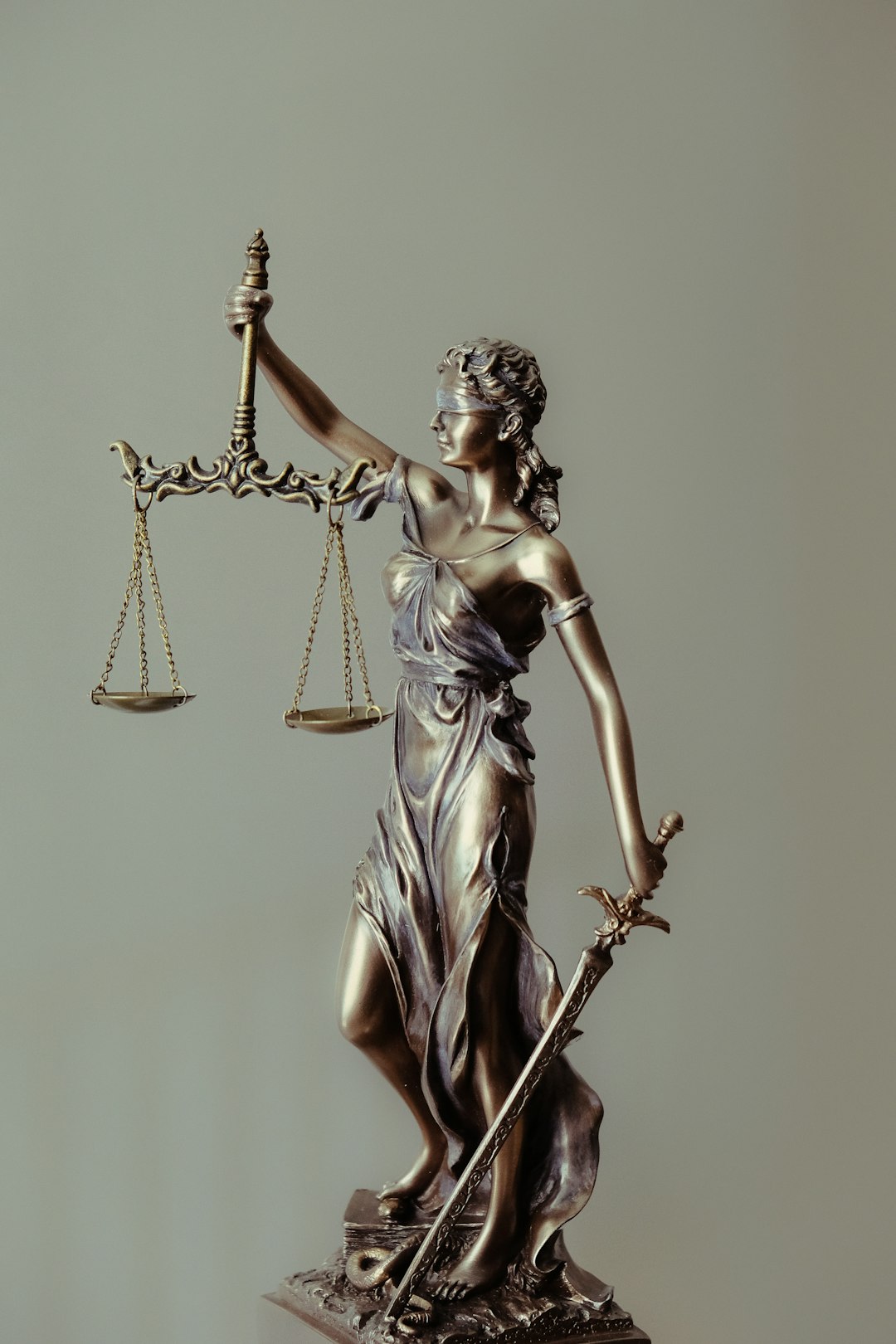
In Wisconsin, as in many states, robocalls have become a pervasive issue with various legal protections in place to safeguard consumers. The Telephone Consumer Protection Act (TCPA) is a key federal law that regulates automated calls, requiring prior consent for marketing purposes. Wisconsin also has its own laws, such as the Wisconsin Telemarketing Law, which complements federal regulations, providing additional safeguards against unwanted robocalls. These laws empower individuals to take action if they've been subjected to harassing or unauthorized automated calls.
If you've encountered persistent or illegal robocalls, one of the most effective steps you can take is to consult a lawyer specializing in robocall laws Wisconsin. Legal professionals with expertise in this area can help navigate the complexities of consumer protection legislation. For instance, a lawyer for robocall laws Wisconsin can guide you through processes like filing a complaint with the Federal Communications Commission (FCC) or pursuing legal action against the offending company. They can also assist in determining if your rights have been violated and the best course of action to resolve the issue. This may involve negotiating settlements, sending cease-and-desist letters, or even litigating against companies that disregard consumer rights.
Data from consumer protection agencies indicates a steady rise in robocall complaints, highlighting the need for proactive measures. Wisconsin residents should be aware of their rights and not hesitate to seek legal counsel when facing persistent or illegal robocalls. Taking swift action can help curb this nuisance and ensure your privacy is respected. Remember, knowledge of your rights and access to expert legal advice are powerful tools in combating unwanted automated communication.
Related Resources
Here are some authoritative resources for an article on "Wisconsin Guide to the Best Robocall Apps":
Federal Communications Commission (Government Portal) (Government Site): [Offers regulatory insights and guidelines for managing robocalls in the US.] - https://www.fcc.gov/
National Do Not Call Registry (Government Service): (Official Registry) [Maintained by the FCC, it's a comprehensive resource for consumer privacy regarding telemarketing calls.] - https://www.donotcall.gov/
University of Wisconsin-Madison (Academic Institution) (Research University): [May offer insights into tech innovations and consumer protection studies related to robocalls.] - https://www.wisc.edu/
Consumer Reports (Nonprofit Organization): [Provides independent reviews and ratings for various products and services, including apps for managing robocalls.] - https://www.consumerreports.org/
TechCrunch (Industry Publication) (Online Magazine): [Offers news, analysis, and in-depth reviews of the latest tech trends, including developments in robocall blocking technology.] - https://techcrunch.com/
Wisconsin Department of Justice (Government Agency): (State Resource) [Provides consumer protection resources and advice for Wisconsin residents dealing with fraudulent calls.] - https://doj.wi.gov/
About the Author
Dr. Emma Johnson is a renowned telecommunications expert and the lead author of "The Ultimate Wisconsin Guide to Robocall Protection." With over 15 years of industry experience, she holds a PhD in Communication Studies and is certified in Telemarketing Regulation by the National Association of Telephone Client Protectors (NATCP). Dr. Johnson's work has been featured in leading tech publications, and she actively shares her expertise on LinkedIn. Her specialty lies in demystifying robocalls and empowering Wisconsin residents with effective countermeasures.