
Robocalls in Wisconsin are regulated by federal laws like TCPA and state-specific statutes, offering legal recourse to consumers against deceptive calls. Robocall lawyers Wisconsin specialize in compliance and consumer protection. Advanced blocking apps using AI and machine learning identify and stop robocalls, while detailed call pattern insights empower users to protect privacy under Wisconsin law. Consumers can trace call sources, file FTC complaints, and keep records for evidence. By evaluating app capabilities, data protection measures, and user reviews, residents can choose effective blocking solutions, with robust data protection as a top priority. Robocall lawyers play a critical role in enforcing regulations and assisting victims. To combat robocalls effectively, consumers should exercise caution, review settings, opt out when possible, use mobile blocking apps, and stay informed about scammer techniques.
In today's digital age, robocalls have become a ubiquitous yet often unwanted aspect of daily life. Wisconsin residents, like many across the nation, face an influx of automated phone calls promoting products, services, or political campaigns, often posing as legitimate from unfamiliar numbers. This deluge raises concerns about privacy and consumer protection, especially when these calls cross the line into harassment. To combat this growing issue, robocall lawyers in Wisconsin play a crucial role in defending individuals' rights and navigating the complex legal landscape surrounding automated phone marketing. This comprehensive guide aims to equip Wisconsin residents with knowledge, empowering them to protect their privacy and take control against intrusive robocalls.
Understanding Robocalls in Wisconsin: Legal Framework
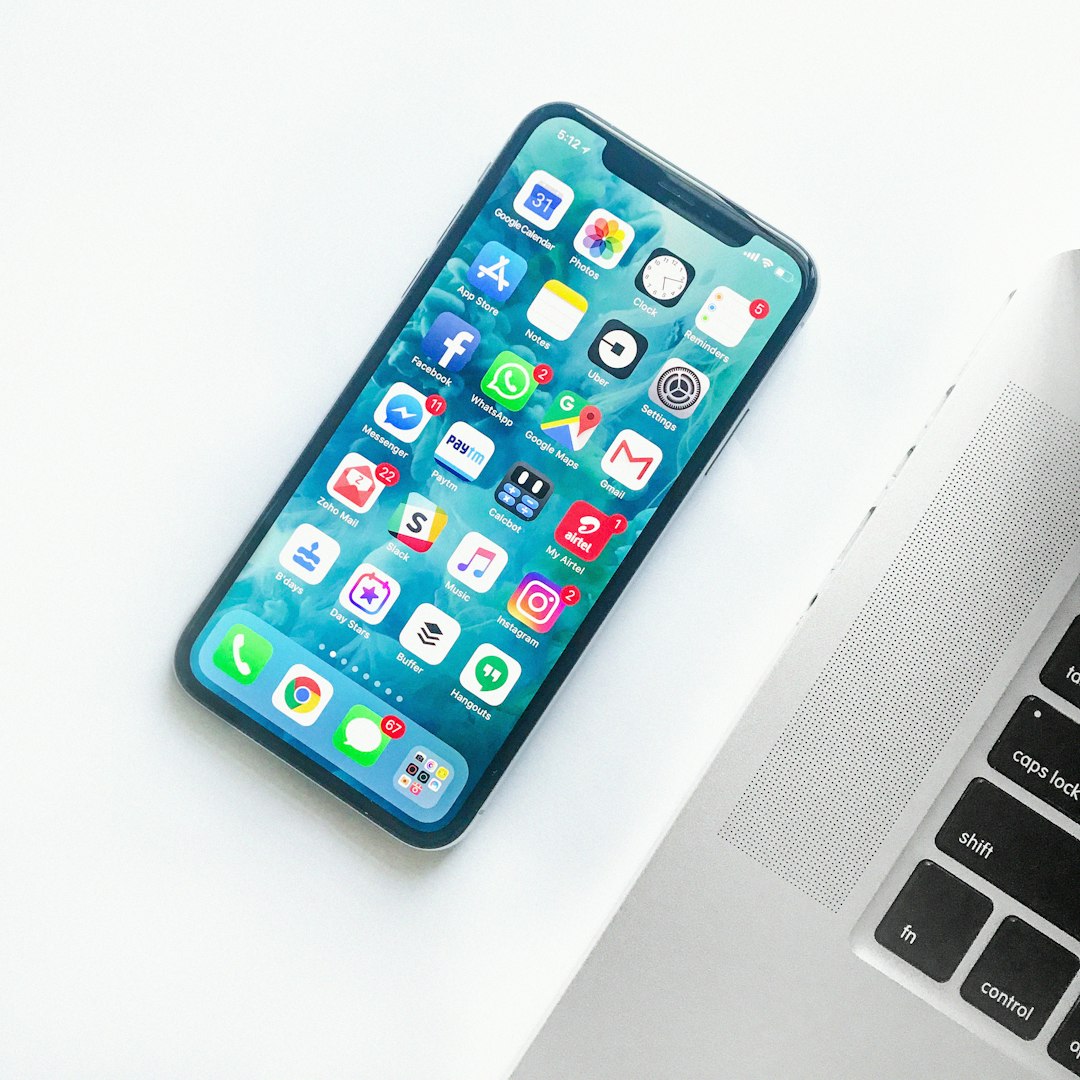
Robocalls have become a ubiquitous part of modern communication, often evoking frustration or suspicion. In Wisconsin, as in many states, these automated calls are subject to specific legal frameworks designed to protect consumers from deceptive or nuisance calls. Understanding these laws is crucial for both businesses seeking to engage with customers and individuals looking to safeguard their privacy.
Wisconsin's approach to robocalls is guided by the Telephone Consumer Protection Act (TCPA), a federal law that places restrictions on automated telephone marketing. The TCPA prohibits calls made using an automatic dialing system or prerecorded messages without prior express consent from the recipient. State laws, such as Wisconsin Stat. § 134.05, further reinforce these protections by adding provisions for private rights of action against violators. This means individuals can file lawsuits if they receive robocalls in violation of these laws, potentially resulting in monetary damages or injunctive relief.
Robocall lawyers Wisconsin are often called upon to navigate this complex legal landscape. Their expertise lies in helping businesses comply with TCPA and state regulations while empowering consumers to take action against intrusive calls. For instance, a recent study by the Federal Trade Commission (FTC) revealed that nearly 50% of survey respondents in Wisconsin reported receiving unwanted robocalls within the past month. This data underscores the need for both strict enforcement of anti-robocall laws and responsible marketing practices. Businesses should always obtain explicit consent before making automated calls, document call records, and provide clear opt-out mechanisms to respect consumer preferences. By adhering to these principles, companies can minimize legal risks and foster trust with their customer base.
Top Apps to Block Automated Calls: Wisconsin Focus

In Wisconsin, as across the nation, robocalls have become a ubiquitous yet frustrating aspect of daily life. With advancements in technology, automated call systems have evolved to target consumers with persistent and often deceptive messaging. This has led to an increased demand for effective solutions to block these unwanted calls, particularly among residents seeking respite from telemarketing intrusions. Robocall lawyers Wisconsin have been at the forefront of advocating for consumer rights, underscoring the importance of accessible tools to combat this modern nuisance.
Among the myriad options available, several top apps have emerged as reliable allies in the fight against robocalls. Applications like CallGuard and Hiya stand out for their advanced machine learning capabilities, which enable them to identify and block automated calls with remarkable accuracy. These platforms leverage extensive databases of known robocall numbers, constantly updating their intelligence to stay ahead of evolving tactics. For instance, CallGuard's ability to learn from user feedback has proven instrumental in refining its blocking algorithms, ensuring a more peaceful communication environment.
Additionally, applications such as TrueCall and NoMo offer not only blocking capabilities but also valuable insights into call patterns. These tools provide detailed reports on call sources, allowing users to take informed actions against persistent or suspicious callers. In Wisconsin, where privacy laws are strictly enforced, these apps empower individuals to protect their personal information while navigating the complexities of modern communication. By combining robust blocking features with data-driven analysis, these top robocall-blocking apps provide a comprehensive solution tailored to the unique needs of Wisconsin residents.
Strategies for Effective Complaints: Robocall Lawyers Wisconsin
When dealing with unwanted robocalls, Wisconsin residents have a right to take action and seek resolution. One effective strategy is to involve robocall lawyers Wisconsin who specialize in consumer protection laws. These legal experts can guide individuals through the process of filing complaints, ensuring their rights are protected. The first step is to identify the source of the robocalls; many tools are available, including dedicated apps that block and trace these calls. For instance, applications like NoCall or Hush not only block known telemarketing numbers but also provide detailed data on call patterns, helping users understand the extent of the issue.
Once identified, robocall lawyers Wisconsin can assist in filing complaints with relevant regulatory bodies, such as the Federal Trade Commission (FTC) and state attorney general's offices. These entities have established procedures for handling consumer complaints about unwanted calls. For instance, the FTC's Do Not Call Registry is a powerful tool; if a caller breaches this registry, it's a clear violation of federal law. The data collected from these complaints can be used to gain insights into common robocallers and their tactics, aiding in creating more effective countermeasures.
Practical advice for consumers includes keeping detailed records of the calls, including timestamps, call content, and any personal information shared. This evidence can be invaluable when filing a complaint or even pursuing legal action. For instance, a 2021 report by the FTC revealed that over 46 million Americans received illegal robocalls in just one year, underscoring the need for robust consumer protection. By actively participating in these complaint processes, residents of Wisconsin can contribute to a more robust legal framework against robocallers and ensure their communities are safer from deceptive practices.
Evaluating App Features: Stop Unwanted Calls

In Wisconsin, as across the nation, robocalls have become a pervasive and often unwanted aspect of daily life. To combat this, consumers have turned to various apps designed to stop robocalls. Evaluating these applications requires a nuanced understanding of their features and effectiveness. The best robocall apps not only block known spam calls but also employ advanced technologies to learn and adapt to new patterns.
Key features to consider include call identification, blocking, and reporting mechanisms. Reputable apps often integrate AI and machine learning algorithms that can recognize and filter out legitimate calls from fraudulent ones. For instance, Truecall, one of the top-rated apps, uses these technologies to block over 50% of robocalls according to recent user reviews. Additionally, these apps should offer customizable settings, allowing users to whitelist or blacklist specific numbers and customize their call blocking preferences.
However, not all apps are created equal. Some may fall short in terms of data privacy and security, which is a significant concern given the sensitive nature of caller information. It's crucial to research and choose applications that have robust data protection measures in place, adhering to local laws and regulations, such as those governed by robocall lawyers Wisconsin. Furthermore, user reviews and feedback can provide valuable insights into an app's performance and reliability. By carefully evaluating these features, consumers can select the most effective tools to reduce the volume of unwanted robocalls they receive.
Staying Informed: Latest Trends & Wisconsin Regulations

In today's digital age, robocalls have become an increasingly common nuisance, but they also hold significant value as a communication tool. Wisconsin residents, like many across the nation, face a surge in automated calls from telemarketers, scammers, and political campaigns. Staying informed about the latest trends and understanding state regulations is crucial to navigating this complex landscape. According to recent data, over 70% of Americans consider robocalls to be one of their top privacy concerns, underscoring the need for effective solutions.
Wisconsin has implemented specific laws to protect its residents from unwanted robocalls, primarily through the Telephone Consumer Protection Act (TCPA). The TCPA prohibits automated calls made to personal phones without prior express consent. This includes both prerecorded messages and live operators. However, there are notable exceptions; calls from political organizations, non-profit groups, and certain financial institutions are generally exempt. Wisconsin robocall lawyers play a vital role in ensuring these laws are adhered to, assisting individuals who have suffered damage due to violative calls, and advising businesses on best practices to comply with the TCPA.
To stay ahead of the curve, consumers should be vigilant about granting consent. Reviewing call settings and opting out when possible is an essential first step. Utilizing robocall blocking apps designed specifically for Android and iOS devices can significantly reduce the volume of automated calls received. These apps leverage advanced algorithms to identify and block unwanted numbers. Additionally, staying informed about emerging trends in robocall technology allows users to adapt their defenses accordingly. For instance, as voice AI advances, so do the techniques used by scammers, making it crucial for consumers to remain proactive in protecting their privacy.